
Simple ways to plan a trip without overspending
This freebie contains affiliate links, which means I may earn a small commission if you purchase through my links, at no extra cost to you. Thank you for supporting my content!
Planning a family trip can feel overwhelming, especially when flights, hotels, food, activities, and “little extras” start adding up. But the secret is not to plan a perfect trip — it’s to plan a realistic one.
Here are a few simple ways to create a travel budget that actually works.
1. Start with a realistic number
A good rule of thumb is to spend about 5–10% of your annual take-home income on travel.
If money is tight or you’re saving for other goals, stay closer to 5%. If travel is a big priority for your family and you have room in your budget, you may feel comfortable closer to 10%.
2. Break your trip into categories
Before you book anything, estimate your main costs:
• Flights or transportation
• Hotel or vacation rental
• Food
• Activities and tickets
• Local transportation
• Souvenirs and extras
• Emergency money
I always recommend adding a little cushion because travel almost always costs more than you think.
3. Save before you go
Create a separate travel fund and add to it every week or every paycheck. Even small amounts help when you start early.
Instead of paying for the whole trip at once, spread out the costs by booking flights, hotels, and activities over time.
4. Use rewards and smart travel tools
Travel rewards, loyalty programs, and the right booking tools can help you save on flights, hotels, rental cars, and activities.
Some of my favorite travel tools:
• Flights: Check here
• Hotels:Check here
• Travel insurance: Check it here
• Tours and activities: Check here
• Travel credit card or rewards program:
Travel credit cards and rewards programs can help you save money by earning points or miles on things you’re already paying for, like groceries, gas, flights, hotels, and everyday purchases. Those points can often be used toward flights, hotel stays, rental cars, or travel credits. Some cards also include helpful travel perks like free checked bags, airport lounge access, travel insurance, or credits for TSA PreCheck/Global Entry. The key is to use them wisely, pay the balance in full, and only choose a card that fits how your family actually travels.
If you are new to travel credit cards, start simple. You do not need the most expensive or complicated card. A beginner-friendly travel card can help you earn points or miles on everyday purchases and use them toward flights, hotels, rental cars, or travel credits. Look for a card with no annual fee or a low annual fee, no foreign transaction fees, and rewards that are easy to redeem. The most important rule: only use a travel card if you can pay it off in full every month.
1. Capital One VentureOne — easiest no-fee starter card
Good if you want something simple with no annual fee, no foreign transaction fees, and easy travel miles. It earns a flat rate on purchases, so you do not have to think too much about categories. Capital One lists it as a $0 annual-fee card, and Forbes notes it is straightforward for beginners.
2. Wells Fargo Autograph — good no-fee everyday travel card
Good if you spend on restaurants, gas, transit, streaming, phone plans, and travel. It has no annual fee and earns strong rewards in everyday categories, which makes it beginner-friendly without needing a premium travel card.
3. Chase Sapphire Preferred — best beginner card if you are okay with a $95 annual fee
This one is popular because the points are flexible and can be used for flights, hotels, and travel partners. It has a $95 annual fee, but it can be worth it if you travel at least once or twice a year and want better travel protections and points value. Chase lists benefits like 5x points on Chase Travel, 3x dining, 2x other travel, and a $50 annual hotel credit through Chase Tra
5. Look for free and low-cost activities
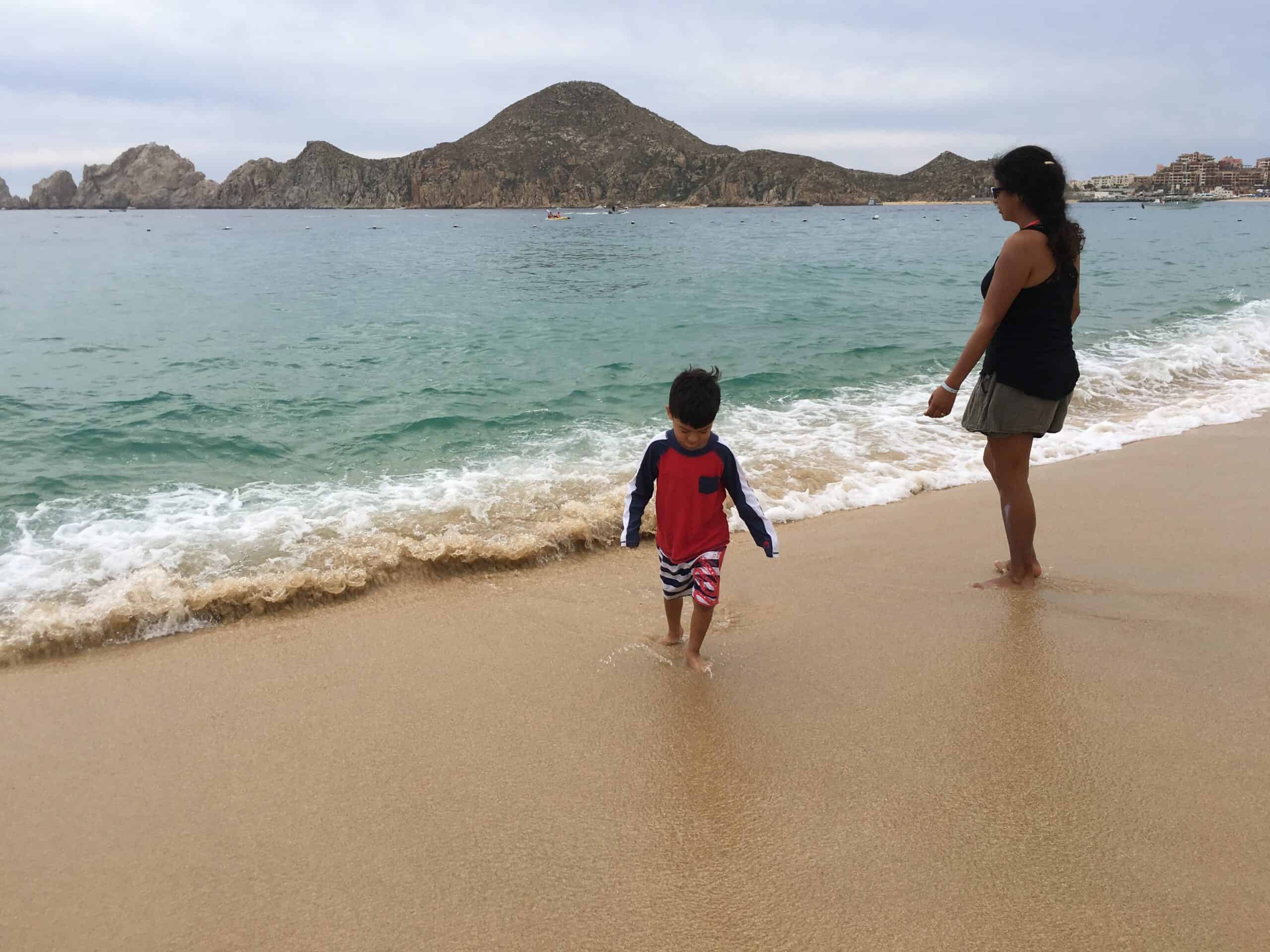
Some of our best travel memories have been free — parks, beaches, walking around beautiful neighborhoods, local markets, free museum days, and watching street performers.
Before every trip, search:
• Free things to do with kids in X
• Free museum days in X
• Best parks in X
• Free walking routes in X
I love finding it in forums
6. Save on food
Food can become one of the biggest expenses on a family trip.
A few simple ways to save:
• Book a place with breakfast included
• Stay somewhere with a kitchen or kitchenette
• Buy snacks and drinks at local grocery stores
• Pack reusable water bottles
• Do one bigger meal out instead of three restaurant meals a day
7. Track your spending during the trip
Set a daily spending limit so you know how much you can comfortably spend each day.
If you spend more one day, balance it out the next day with a free activity, grocery-store meal, or slower day.
A family trip does not have to be expensive to be meaningful.
Sometimes the best memories come from the simple things — a walk, a view, a pastry on a bench, or an afternoon where nobody is rushing.
Plan ahead, leave room for flexibility, and make your trip feel doable for your real life.