
This post contains affiliate links. An affiliate link means I may earn advertising/referral fees if you make a purchase through my link, without any extra cost to you. It helps to keep this little blog afloat. Thanks for your support!
New York City is one of those places you’ve just got to experience — the energy, the lights, the food, the whole vibe . But let’s be real, if you’re planning a trip, you’re probably wondering the same thing most people do: “Is New York safe?” Totally fair question! New York City, the vibrant metropolis that captivates millions of tourists annually, is a destination where dreams intertwine with urban realities. In this guide, I’ll break it down for you — what the crime stats really say, what areas feel safest, and a few simple tips so you can enjoy your trip without stressing.
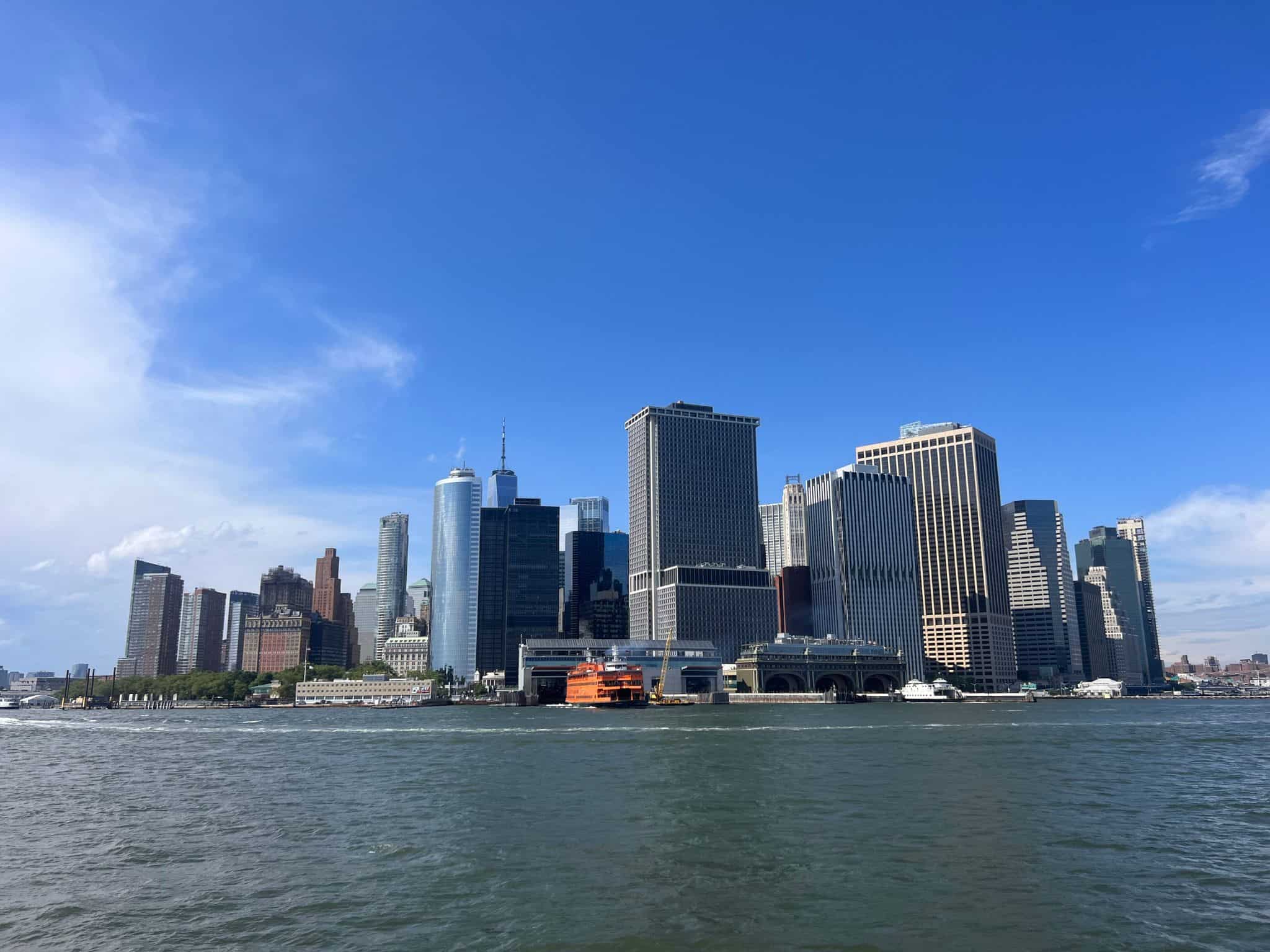
New York City has a pulse like no other — every neighborhood feels like its own little world, and from the glittering skyscrapers to the busy streets, the city is full of stories of resilience and reinvention. Over the years, safety in NYC has improved a lot, but like with any major city, it’s always smart to visit with awareness and a little prep.
Thinking about a trip to New York City in 2026? You’re in good company! Millions of visitors come every year for the bright lights, iconic landmarks, and endless things to do. Still, it’s natural to wonder about safety — whether you’re a first-time tourist or even considering a move.
That’s why I put together this guide: a breakdown of NYC’s safety in 2026 — from crime stats to the safest neighborhoods, plus practical tips to help you enjoy the city with confidence.
1. Find your dream hotel
Discover the ideal accommodation and book with ease through Booking.com. Whether you prefer luxurious stays or budget-friendly options, they have you covered
2. Plan your entertainment
Embark on exciting tours and activities in Peru with Viator. From iconic landmarks to hidden gems, their diverse range of experiences ensures a memorable trip.
3. Get your bus
Take support to the next level.
- General admission and member discounts for two adults
- Five free tickets per special exhibition
- Six single-use guest passes per year
Is New York City Safe to Visit?
Did you know New York City actually ranks among the top 15 safest cities in the world? According to the Economist Intelligence Unit, it’s also the 5th safest big city in the U.S. — a pretty impressive nod to all the work that’s gone into making NYC safer for both locals and visitors.
That said, it’s still a huge city, and no place is completely crime-free. Current data puts NYC’s crime rating at a “moderate” 49.94. Numbers like that can sound a little intimidating, but in reality, it just means you should do what you’d do in any big city: stay aware of your surroundings, use common sense, and take a few basic precautions so you can enjoy your trip stress-free.
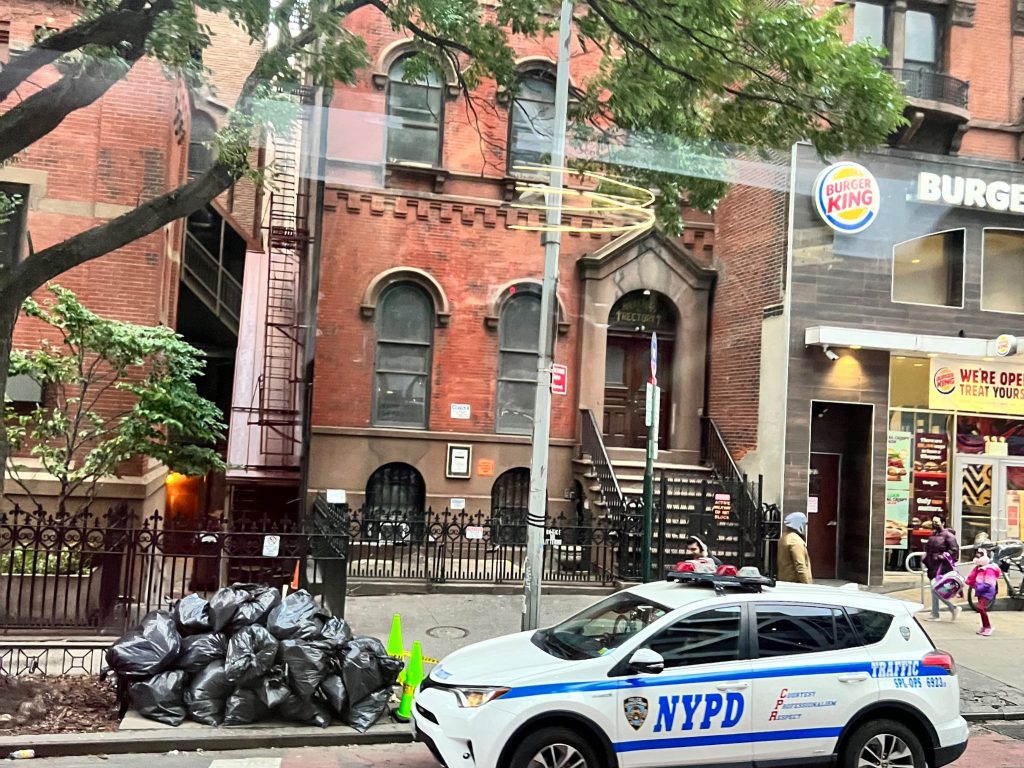
New York City is still a safe place for tourists, especially compared to the crime levels it faced decades ago. While there was a bump in certain crimes during the pandemic, the city has been bouncing back thanks to efforts from law enforcement and local programs, making the five boroughs safer overall.
Most of the spots you’ll want to see — Times Square, Central Park, the Brooklyn Bridge, the Statue of Liberty — are generally very safe. These areas are packed with visitors, well-lit, and have a strong police presence, so you can relax and enjoy the sights.
Of course, NYC is a massive city, and some neighborhoods do have higher crime rates. Just like in any big city, it’s smart to stay alert, especially in quieter areas at night. A little street smarts go a long way toward keeping your trip smooth and stress-free.
Quick Tips:
- Stick to well-lit, populated areas.
- Be aware of your surroundings and avoid flashing valuables.
- Use public transportation or reliable ride-hailing services instead of walking alone at night.
Is Brooklyn safe?
Brooklyn has a personality all its own — artsy, diverse, and always buzzing with something new. Over the years, it’s gone through a lot of changes, and today many parts of the borough feel safer and more welcoming than ever.
Of course, like any big city, safety can vary depending on where you are. Some neighborhoods, like Park Slope, Brooklyn Heights, and Williamsburg, are super popular with families, young professionals, and creatives. They’re lively, full of great food and culture, and generally feel safe to walk around.
That said, there are still pockets of Brooklyn — often areas with more public housing or where drug activity has been an issue — where you’ll want to stay extra aware, especially at night. It’s less about avoiding Brooklyn altogether and more about knowing which neighborhoods fit the vibe you’re looking for.
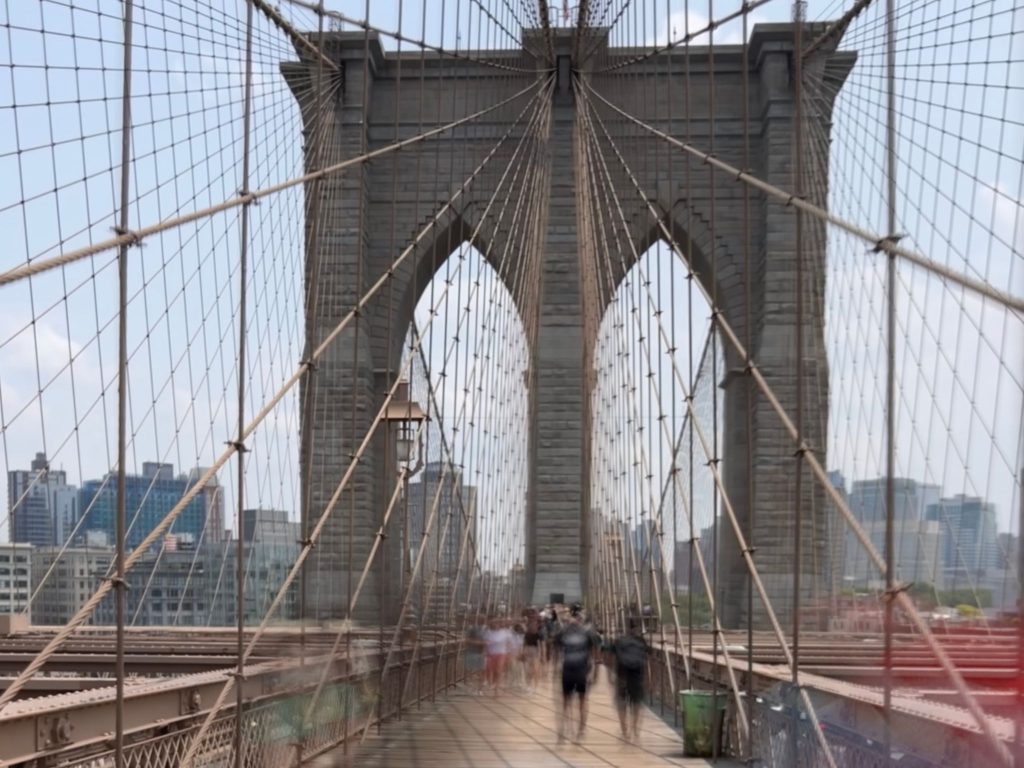
Brooklyn has changed a ton over the past decade and is now one of NYC’s most exciting (and trendy) boroughs. Neighborhoods like Williamsburg, DUMBO, and Park Slope are not only super popular but also considered very safe — drawing in both locals and visitors with their mix of cool cafes, parks, and incredible views of Manhattan.
That said, Brooklyn is huge, and like any big city, safety can vary by neighborhood. Areas such as Brownsville and East New York still have higher crime rates than other parts of the borough, so it’s good to stay aware if you’re exploring beyond the more touristy spots.
Safe Neighborhoods in Brooklyn:
- Park Slope
- Brooklyn Heights
- DUMBO
- Williamsburg
Is Midtown Manhattan safe?
Midtown Manhattan is the beating heart of New York City — packed with energy, bright lights, and some of the city’s most famous landmarks. From Times Square and the Empire State Building to the Theater District, this area is a must-see for first-time visitors and one of the busiest parts of the city.
For the most part, Midtown is considered very safe, thanks to the constant flow of people and a strong police presence. The main thing to watch out for is the occasional pickpocket or petty theft in crowded spots. A little common sense goes a long way here — keep your bag zipped, don’t flash valuables, and stay aware of your surroundings. Do that, and you’ll be free to just soak in the excitement of it all.
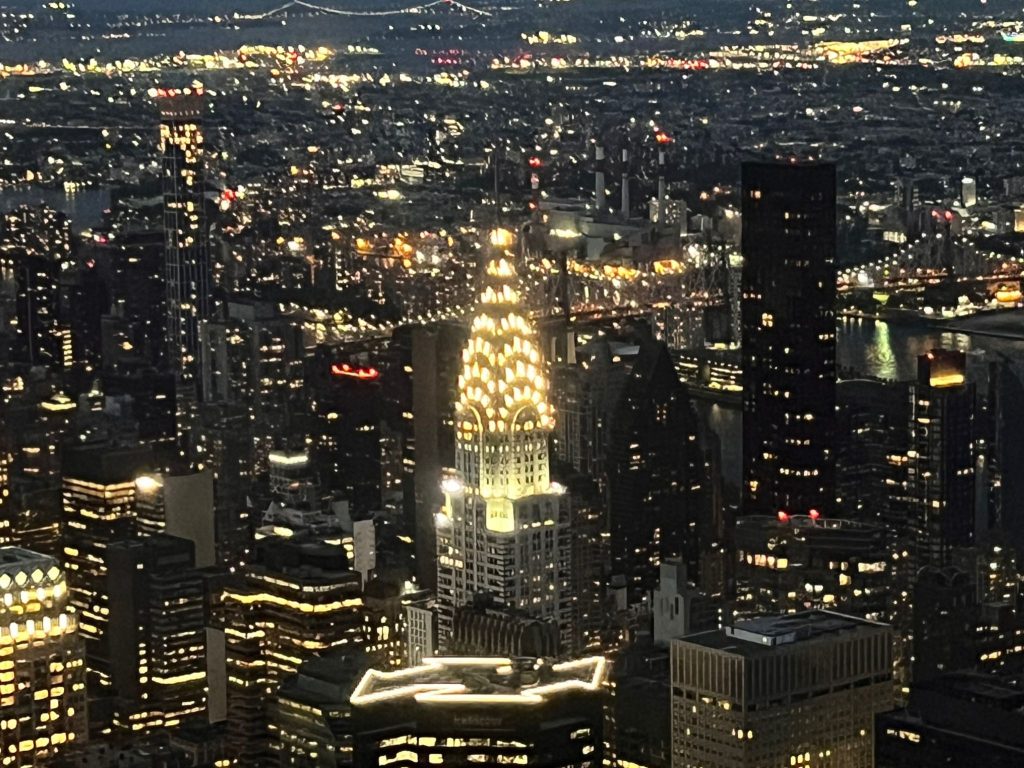
Midtown Manhattan is home to some of the city’s most famous landmarks, including Times Square, Rockefeller Center, and the Empire State Building. This area is very safe, as it’s heavily monitored by law enforcement and security cameras.
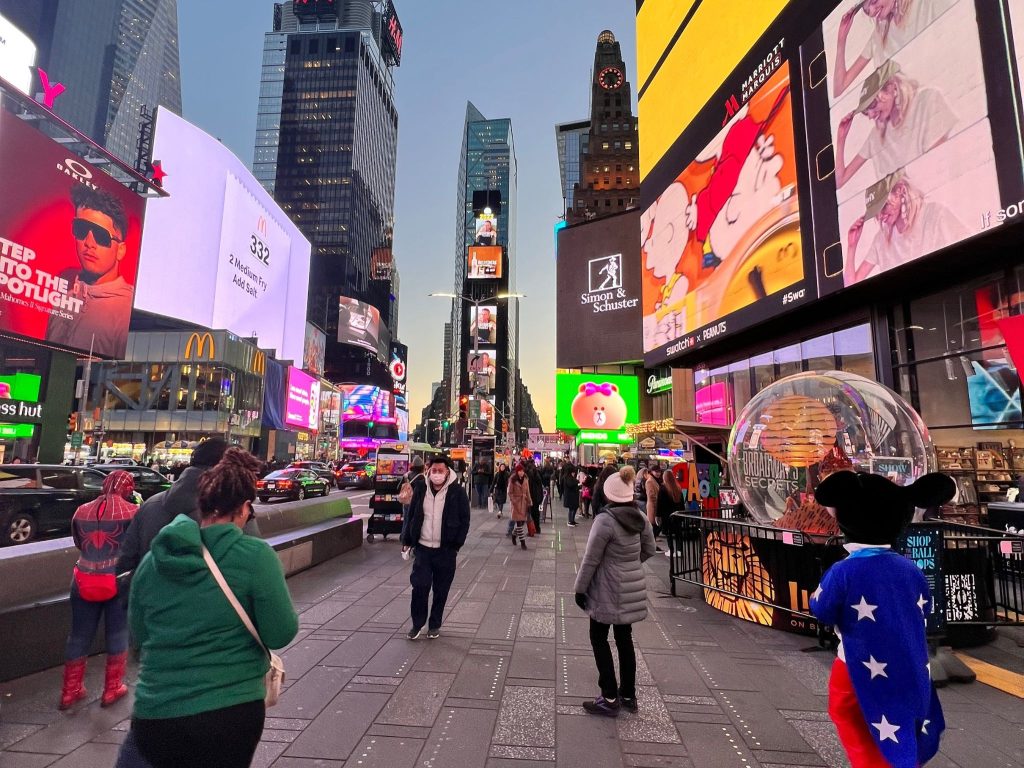
However, it’s also one of the busiest parts of the city, so tourists should be mindful of pickpockets and scams.
Quick Tips:
- Avoid street vendors selling questionable goods.
- Keep your belongings close in crowded areas.
- Use official ticket booths for attractions.
Is The Bronx safe?
The Bronx has often been painted as “rough” in movies and TV, but the reality today is much more nuanced. In recent years, the borough has gone through real changes, and overall safety has improved compared to the past.
That said, crime can still vary by neighborhood. Areas like Fordham, University Heights, Morris Heights, and Mount Hope have historically seen higher crime rates, so it’s best to stay extra aware if you’re visiting there.
On the flip side, neighborhoods such as Riverdale, City Island, and Woodlawn are known for being safe, community-oriented, and even pretty charming — from waterfront dining on City Island to leafy, residential vibes in Riverdale. Like anywhere in NYC, it’s smart to use common sense and be cautious in less busy areas at night, but the Bronx has plenty of safe spots worth exploring.
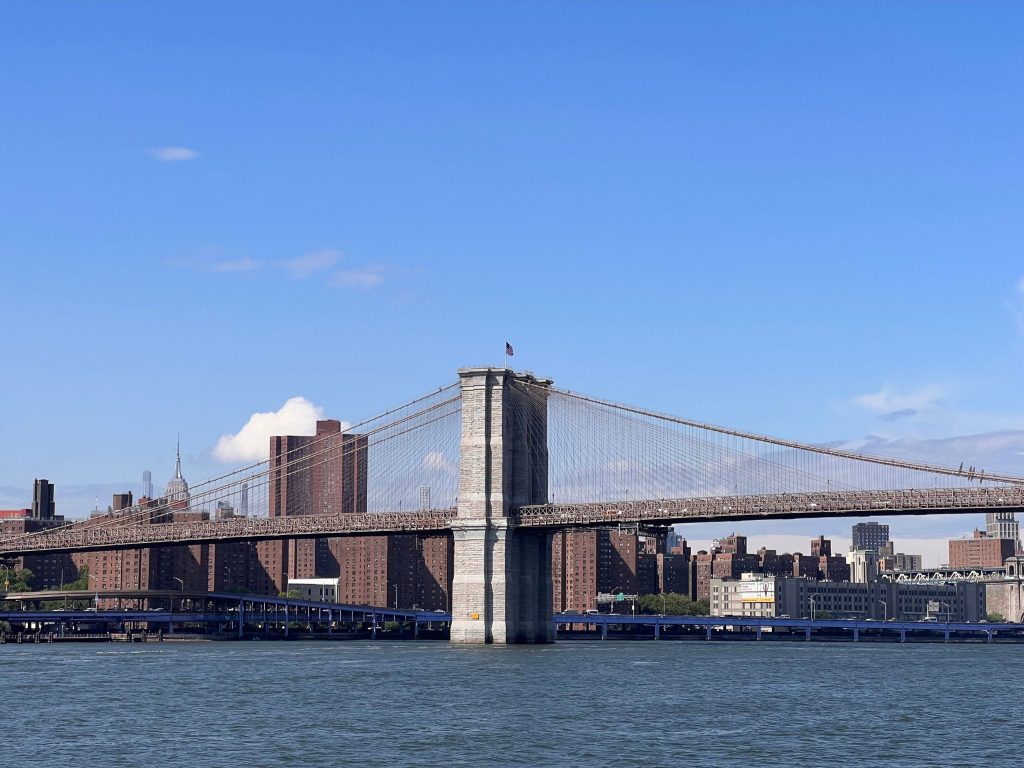
The Bronx has a reputation for being rougher than other boroughs, but it’s also home to hidden gems like the New York Botanical Garden and Yankee Stadium.
While there are safe areas in The Bronx, such as Riverdale and City Island, tourists should exercise caution in neighborhoods with higher crime rates like Fordham and Mott Haven.
Safe Areas in The Bronx:
- Riverdale
- City Island
- Pelham Bay Park
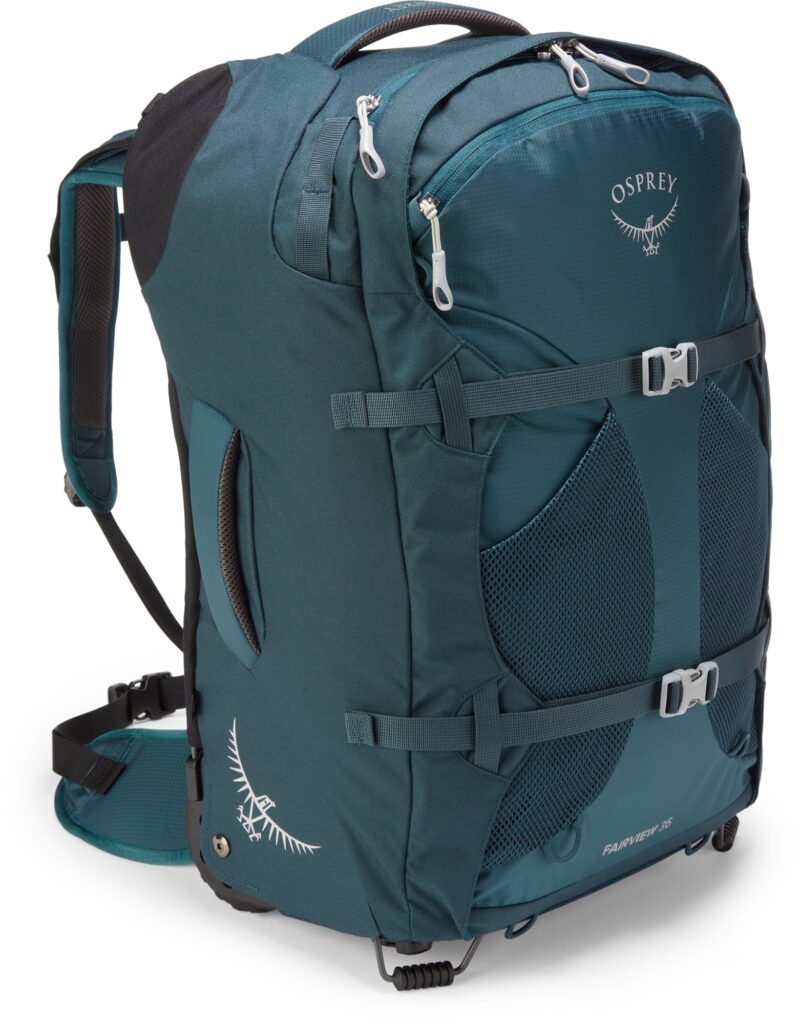
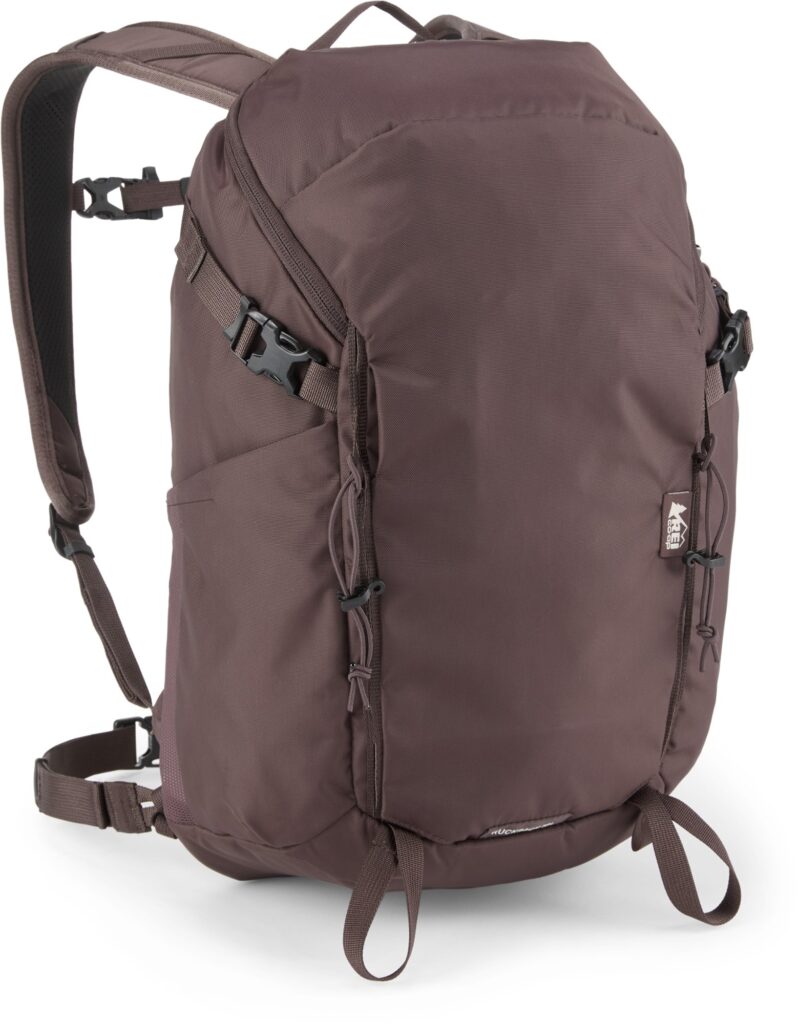
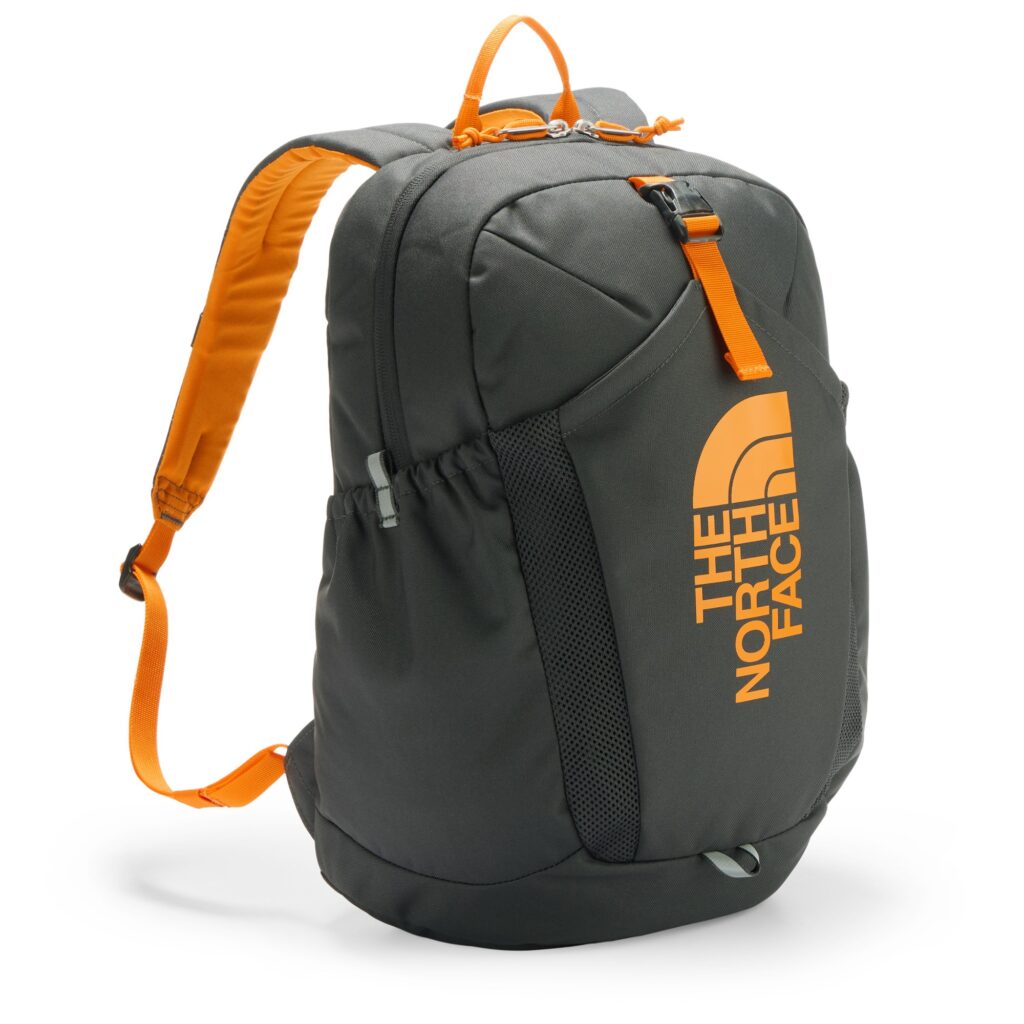
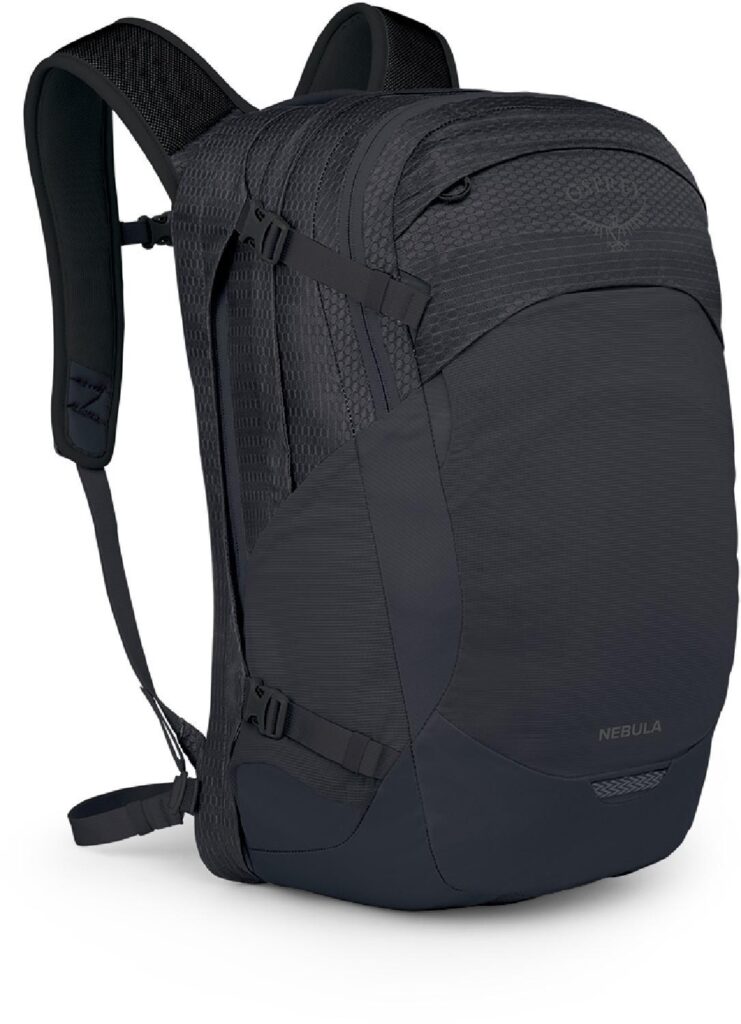
Must have for Family Vacations:
Is it safe to walk in NYC at night?
Walking in New York City at night can be a captivating experience, allowing you to witness the city’s vibrant nightlife and illuminated skyline. However, it’s essential to exercise caution and take appropriate safety measures.
While the city’s bustling streets and well-lit areas generally provide a sense of security, it’s advisable to avoid venturing into deserted or poorly lit areas, especially if you’re unfamiliar with the neighborhood. Additionally, it’s recommended to travel in groups or use reputable transportation services, such as taxis or ridesharing apps, if you plan to explore the city at night.
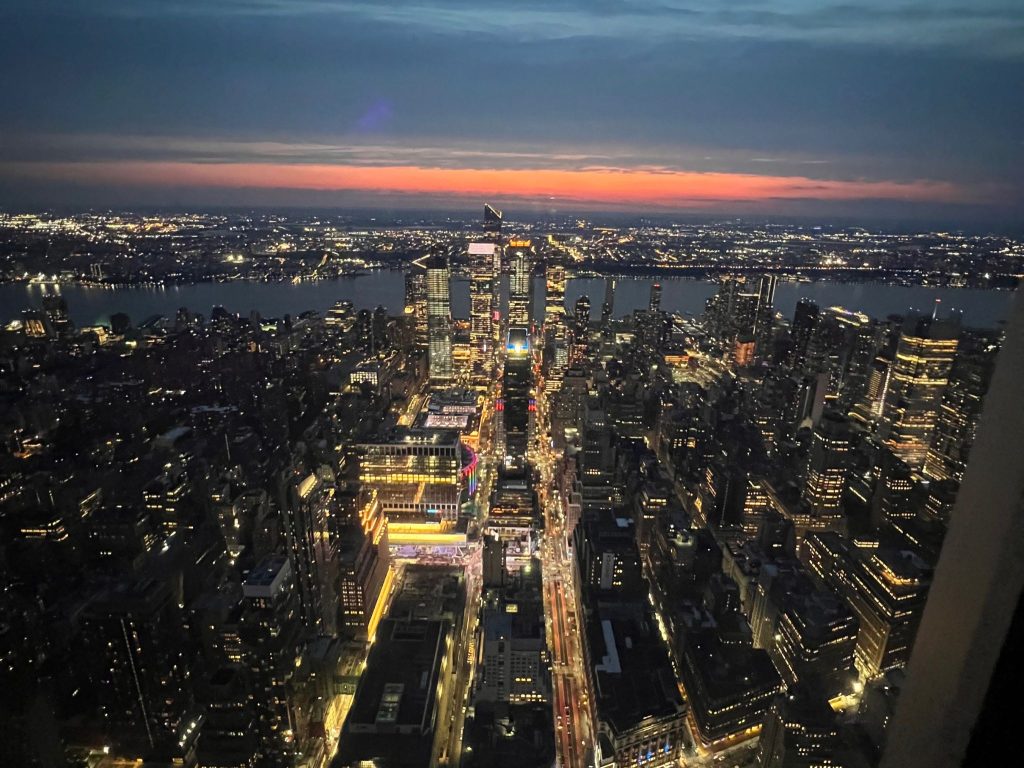
Walking around New York City at night is generally safe in well-populated areas, especially in neighborhoods like Midtown Manhattan, SoHo, Greenwich Village, and Williamsburg.
However, avoid less crowded streets and stay on main roads where there’s more foot traffic. It’s always best to travel in groups or use public transportation late at night.
Quick Tips for Walking at Night:
- Stick to main streets and well-lit areas.
- Avoid isolated parks or alleyways.
- Stay alert and avoid distractions like your phone.
Is Times Square safe at night?
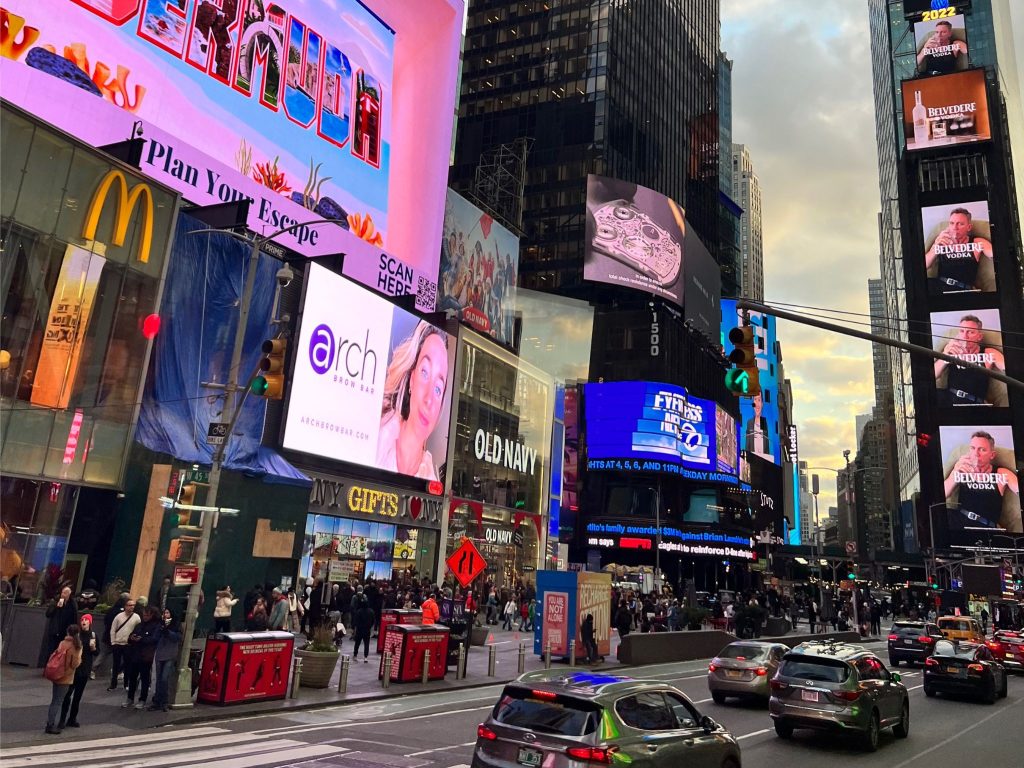
Times Square, the iconic heart of New York City’s entertainment district, is generally considered safe at night. This bustling area is well-lit, heavily patrolled by law enforcement, and frequented by a constant flow of pedestrians and tourists.
However, as with any crowded area, it’s essential to remain vigilant and take precautions against pickpocketing, scams, and other petty crimes. Avoid carrying excessive valuables, keep your belongings secure, and be aware of your surroundings at all times.
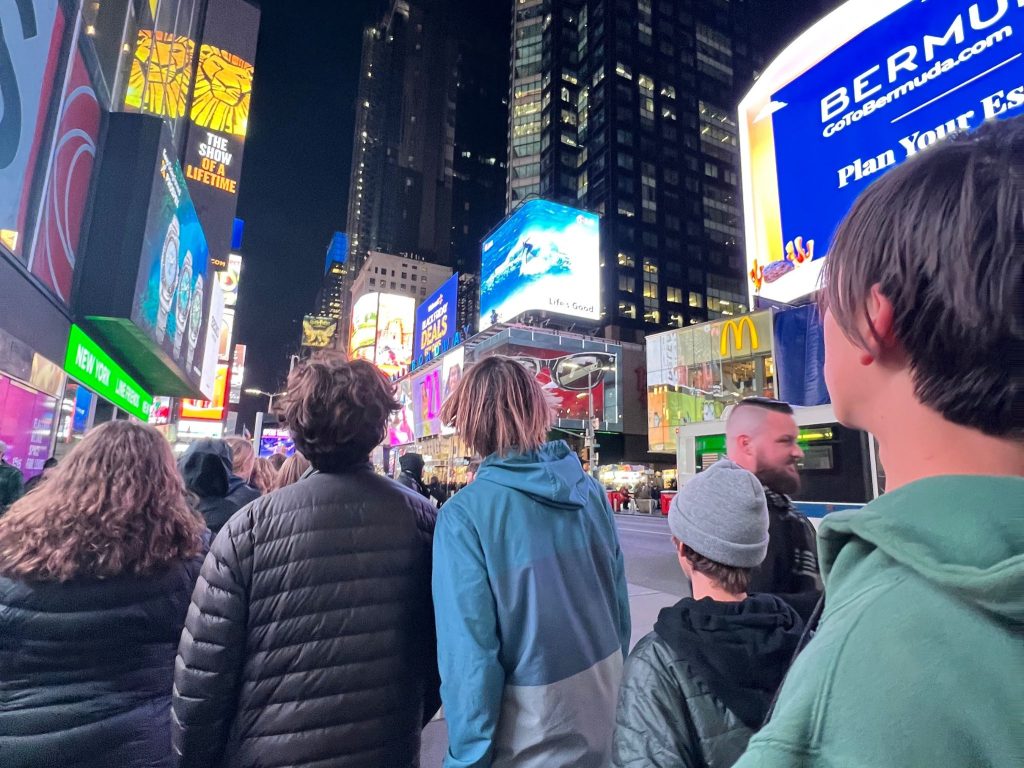
Yes, Times Square is one of the safest areas in NYC, even at night. It’s heavily patrolled by police and filled with tourists and street performers 24/7.
However, it’s also very crowded, making it a hotspot for pickpocketing and tourist scams.
Quick Tips for Visiting Times Square at Night:
- Be aware of street performers asking for tips.
- Avoid buying tickets or goods from street vendors.
- Keep an eye on your personal belongings.
Is New York City Safe To Live In?
While New York City is renowned as a world-class tourist destination, it’s also a vibrant and dynamic place to call home. The city’s safety record for residents has steadily improved over the years, with crime rates declining significantly compared to previous decades.
However, it’s essential to recognize that crime can occur in any urban environment, and certain neighborhoods may pose higher risks than others. Factors such as socioeconomic conditions, access to resources, and community engagement can significantly impact a neighborhood’s safety.

When considering living in New York City, it’s crucial to research and understand the safety landscape of the specific area you plan to reside in. Consulting local resources, community organizations, and law enforcement agencies can provide valuable insights into the safety concerns and crime patterns of a particular neighborhood.
Many people wonder if New York City is safe to live in, especially families considering a move. The answer largely depends on the neighborhood you choose. NYC offers plenty of safe, family-friendly neighborhoods, but some areas have higher crime rates.
Over the years, NYC has worked to improve safety in residential areas, particularly through community policing and neighborhood watch programs. Popular neighborhoods for families include Upper West Side, Park Slope, and Astoria.
Safest Neighborhoods In New York City
New York City is a tapestry of diverse neighborhoods, each with its unique character and safety profile. While no area is entirely immune to crime, certain neighborhoods have consistently maintained a reputation for being among the safest places to live or visit. Here are some of the safest neighborhoods in New York City:
📍 Upper East Side: This affluent Manhattan neighborhood is known for its tree-lined streets, upscale shopping, and cultural institutions. With a strong sense of community and a visible police presence, the Upper East Side is considered one of the safest areas in the city.
📍 Park Slope, Brooklyn: This family-friendly neighborhood in Brooklyn boasts a vibrant community, excellent schools, and a low crime rate. Its tree-lined streets, parks, and thriving local businesses contribute to its overall safety and desirability.
📍 Forest Hills, Queens: Located in the heart of Queens, Forest Hills is a residential oasis known for its well-maintained homes, excellent public transportation, and low crime rates. Its proximity to parks and cultural attractions makes it a desirable and safe place to live.
f you’re considering moving to NYC or just want to stay in a safe area during your visit, here are some of the safest neighborhoods:
📍 Upper West Side – A popular choice for families with beautiful parks and excellent schools.
📍 Park Slope (Brooklyn) – Known for its family-friendly vibe and historic brownstones.
📍 Astoria (Queens) – A diverse neighborhood with great restaurants and affordable housing.
Safest Places To Stay In New York City
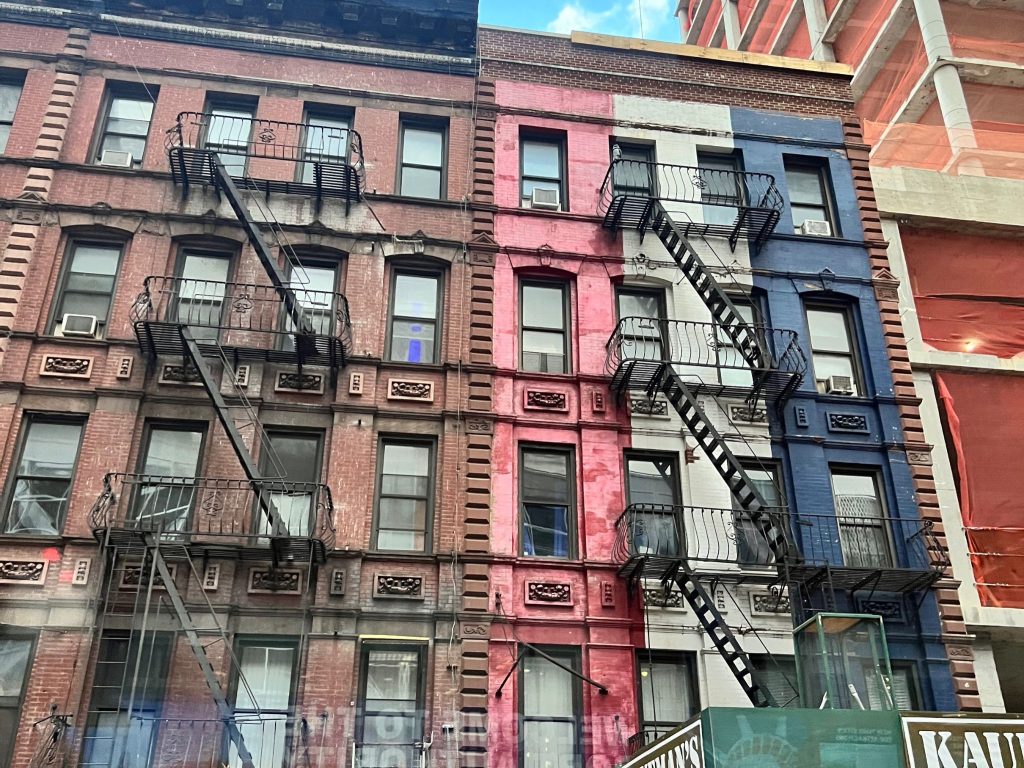
When planning your visit to New York City, choosing the right accommodation can significantly contribute to your overall safety and peace of mind. While the city offers a wide range of options, from luxury hotels to cozy Airbnbs, certain areas are renowned for their safety and security. Here are some of the safest places to stay in New York City:
📍 The Times Square : Located in the heart of Times Square, this luxurious hotel offers daily housekeeping, city views, and balconies, ensuring a comfortable and secure stay in one of the city’s most iconic neighborhoods.
📍 The Dominick Hotel: Situated in SoHo, this upscale hotel boasts a fitness center, private parking, and a complimentary airport shuttle, providing a safe and convenient base for exploring the city.
📍 Gansevoort Meatpacking: With facilities for disabled guests, free Wi-Fi, and a bar, this trendy hotel in the Meatpacking District offers a stylish and secure retreat in a vibrant neighborhood.
📍 Midtown Manhattan – Ideal for tourists looking to stay close to popular attractions.
📍 Brooklyn Heights – A charming neighborhood with great views of Manhattan.
📍 Greenwich Village – Known for its historic charm and vibrant culture.
Crime Rate & Gun Violence
While New York City has made significant strides in reducing crime rates, it’s essential to acknowledge the ongoing challenges posed by gun violence and other criminal activities. According to the latest data, the city experienced a total of 126,589 felonies in 2022, a decrease from the staggering 184,652 felonies reported in 2000.
However, the city’s efforts to combat crime are ongoing, with a 34.2% drop in arsenal incidents, a 27.0% decrease in burglary, and a 12.5% reduction in crime within the city’s transit system in 2023 compared to the previous year. Additionally, bias incidents have seen a 14% decrease, reflecting the city’s commitment to fostering a more inclusive and safe environment.
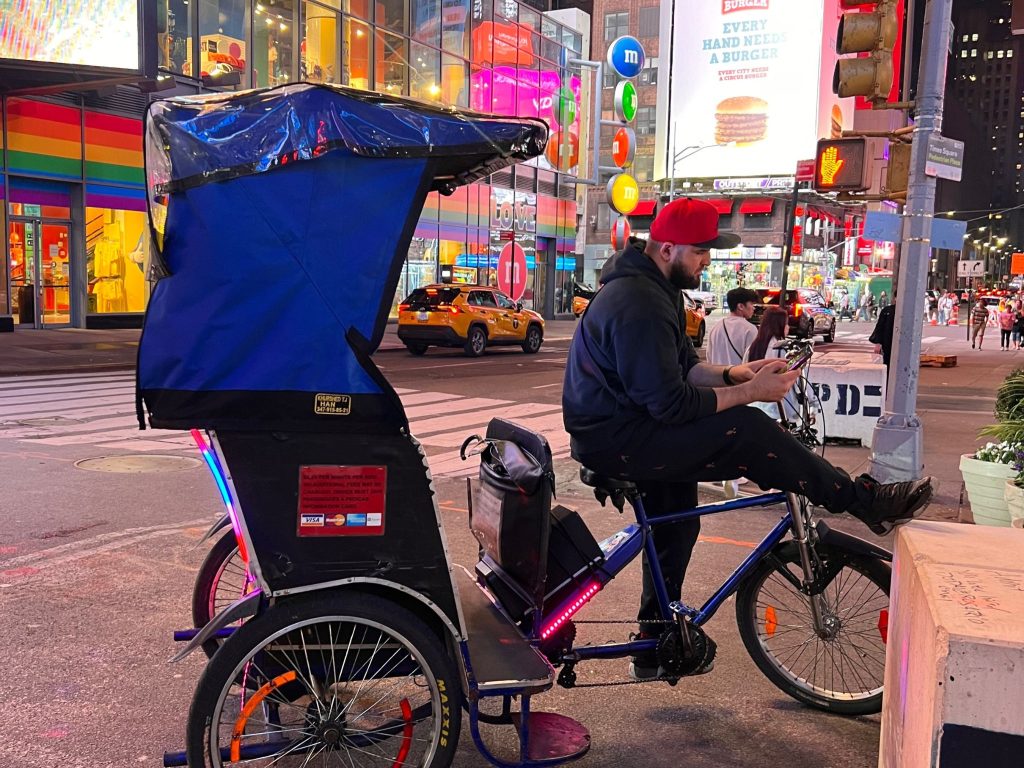
It’s important to note that while homicides remain a concern, they are the least probable cause of loss of life in New York City when compared to other factors such as drug overdoses, cancer, or diabetes. Nonetheless, it’s crucial to remain vigilant and take necessary precautions to ensure your safety.
While crime rates in NYC have fluctuated over the years, the city remains one of the safest large cities in the U.S. Gun violence is rare in tourist areas, but it’s still important to stay vigilant and be aware of your surroundings.
Staying Safe in New York City: My Personal Tips & Recommendations
Exploring New York City with my family has been unforgettable, but like any major city, it requires a bit of street smarts to enjoy safely. Over the years, I’ve picked up some practical habits that help us feel confident and secure while navigating this exciting, fast-paced place.
To start, parking in Manhattan can be a bit of a gamble. I learned the hard way that leaving your car in an undesignated spot—even for a quick errand—can lead to tickets or worse. Now, I always use the ParkMe app to find and reserve a safe, secure parking garage near our destination. It saves time, reduces stress, and keeps the car safe.
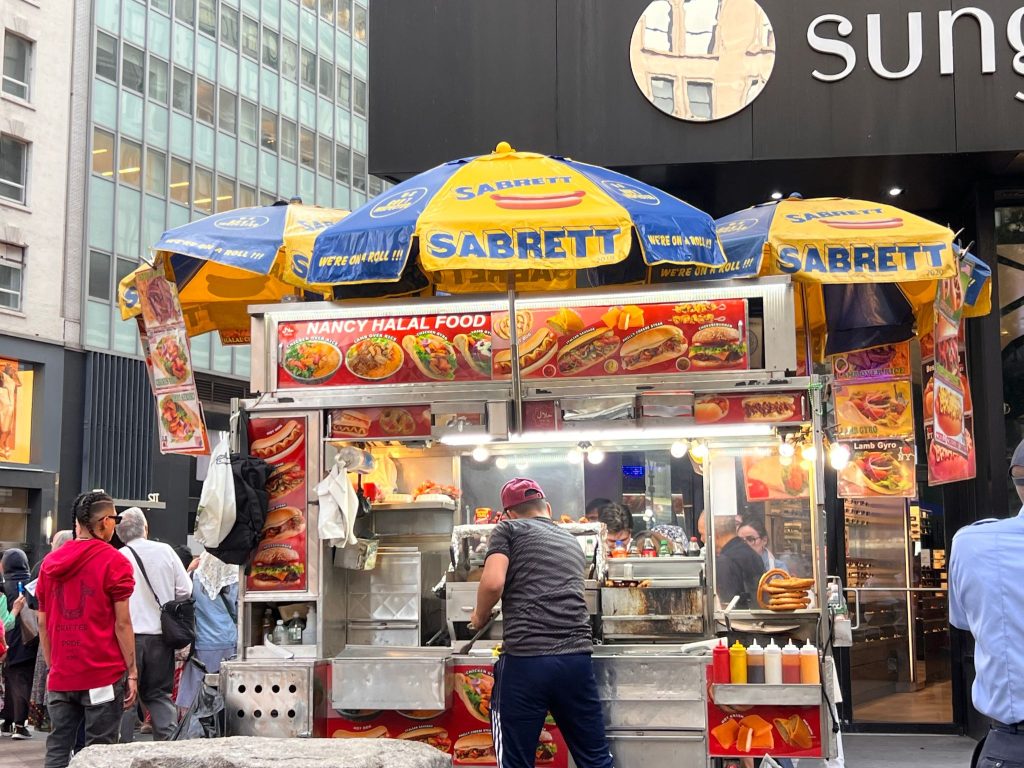
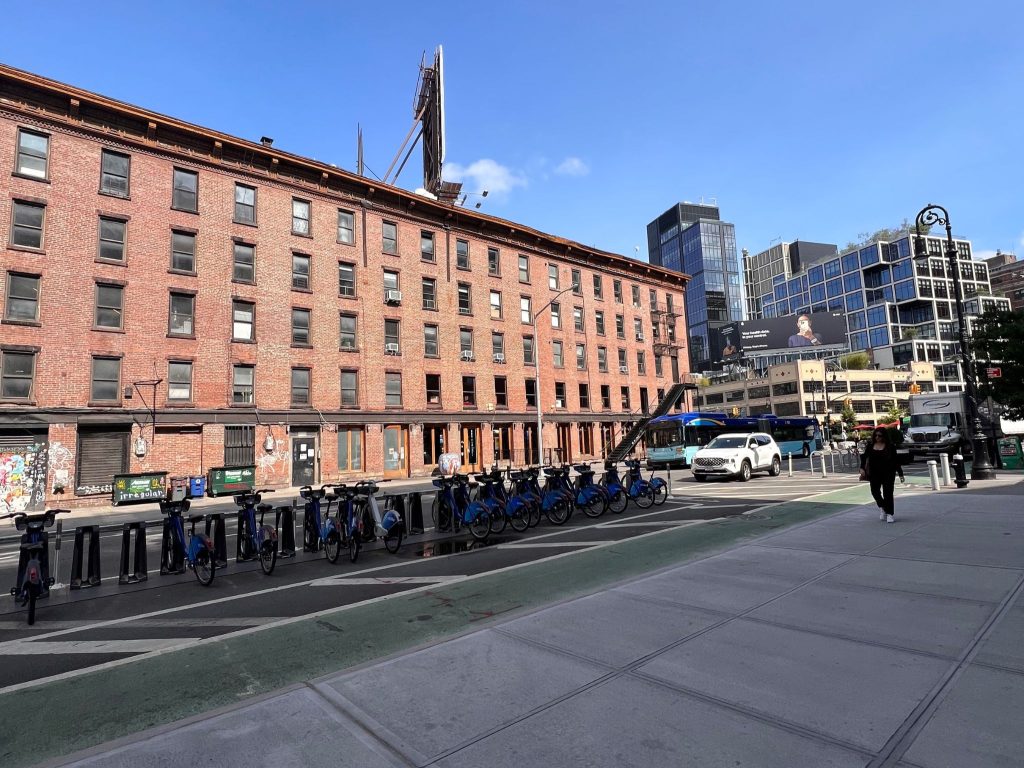
If you’re biking around the city (which I highly recommend), make sure to use proper docking stations. The Citi Bike appmakes it easy to find available docks so you’re never leaving a bike unsecured on the street. It’s a fun way to explore—but only if you lock things up properly!
On one of our trips, we took the NYC Ferry, which offered a scenic and affordable way to see the skyline. Just make sure to download the NYC Ferry app to check real-time schedules. Trust me, you don’t want to be stranded waiting for a boat that’s been canceled or delayed.
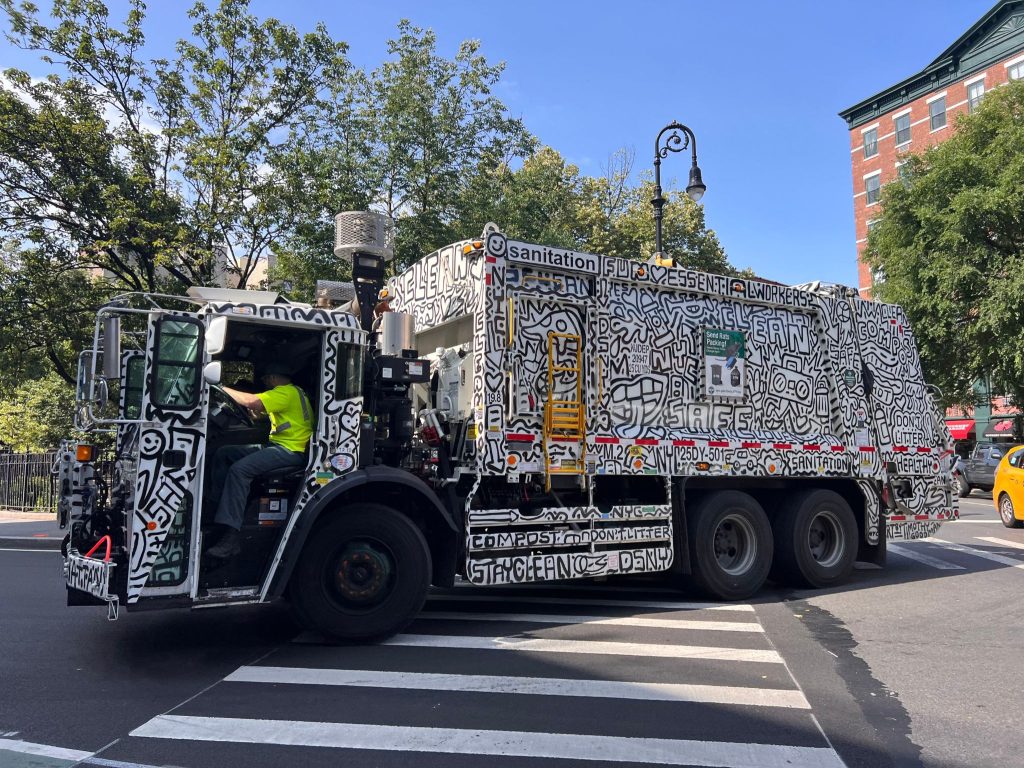
Wandering around without a plan may seem adventurous, but in NYC, it’s better to be prepared. I like using GPS-based apps like iTourMobile or offline Google Maps to keep my bearings. Looking lost can make you a target, so staying informed not only helps you get where you’re going—it keeps you safer, too.
Buying tickets in advance is another must. Whether you’re going to the Empire State Building or a Broadway show, purchasing through reliable sources like TKTS helps you avoid scalpers and scams. It’s also one less thing to worry about when you’re out enjoying the city.
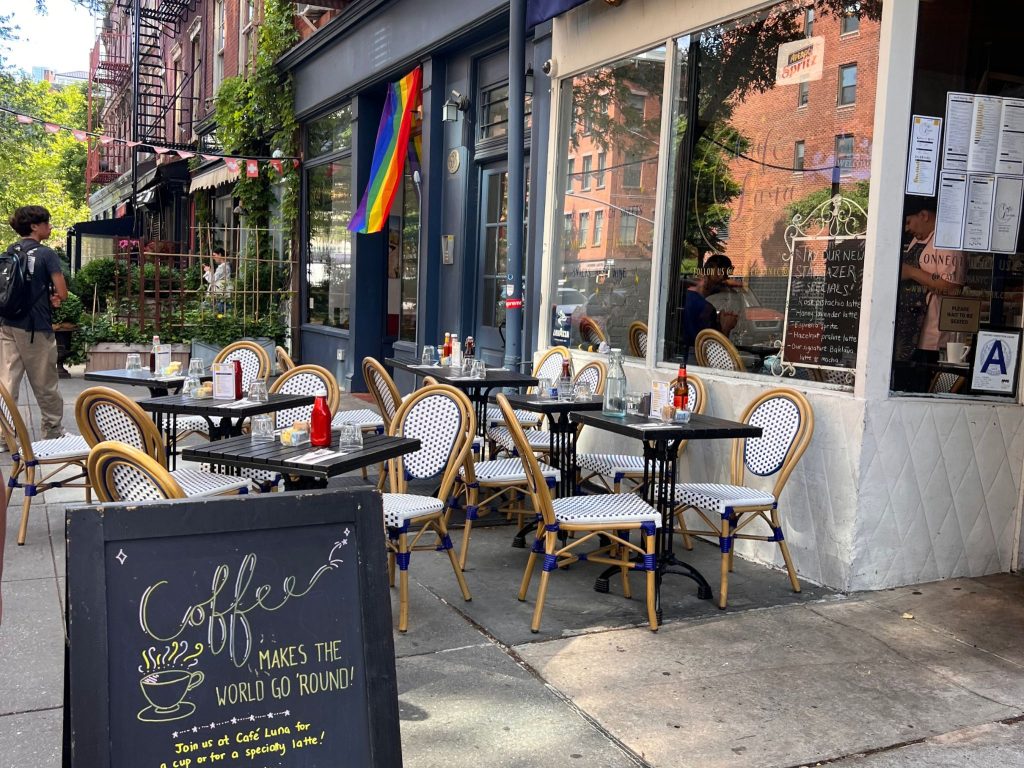
When it comes to food, New York is a dream—but it’s easy to fall into a tourist trap. Before we sit down anywhere, I check Yelp or Google Reviews to read menus and see what others are saying. This has helped us avoid more than one questionable restaurant, especially in heavily trafficked areas like Times Square.
If you’re planning a visit to Central Park, I highly recommend downloading a map or using the Central Park app. The park is enormous, and it’s easy to lose your bearings. We stick to well-lit areas and avoid secluded paths, especially as the sun begins to set.
When using taxis, always look for official yellow cabs with the rooftop light on. Unmarked or unsolicited rides are best avoided. For more peace of mind, we often opt for Uber or Lyft, which are easy to use and feel more secure, especially with kids in tow.
Riding the subway is a must in New York, but a few precautions go a long way. We keep our bags zipped, stay away from the edge of the platform, and never sit in empty train cars. Rush hour is busy, but I feel better knowing we’re surrounded by people rather than isolated.
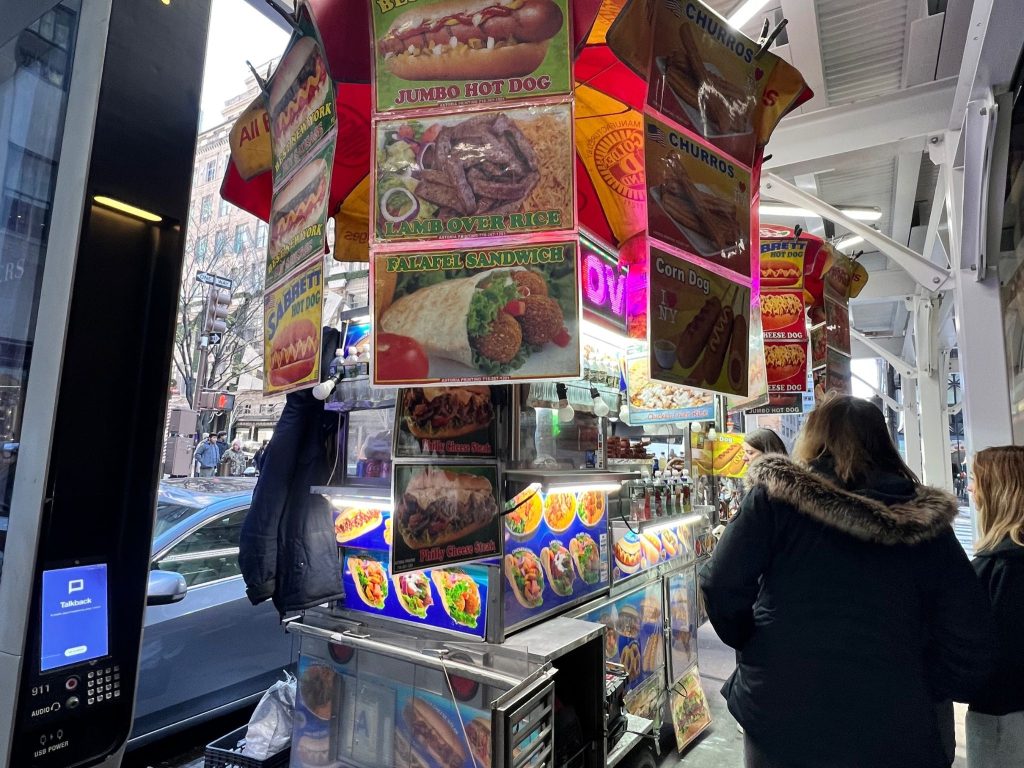
Scams in NYC are clever, and sometimes even charming. I’ve seen people pretending to be injured or trying to hand out “gifts” like bracelets or CDs—only to demand money afterward. A firm but polite “no, thank you” and walking away usually does the trick.
I also avoid wearing flashy jewelry or openly using expensive gear. Instead, I opt for a crossbody bag or an anti-theft backpack, especially in crowded areas like subway platforms or tourist hotspots. It helps me feel secure without drawing unnecessary attention.
Lastly, I like to stay up to date on local news by checking sites like The New York Times or The New York Post during our stay. They offer insight into any nearby protests, subway delays, or events that might affect safety or logistics while we’re exploring.
Conclusion: Is New York City Safe?
New York City remains one of the most dynamic and iconic destinations in the world, offering endless opportunities for culture, exploration, and connection. While no urban area is entirely free of risk, NYC has made remarkable progress in public safety over the years, consistently ranking among the safest major cities in the United States.
By practicing situational awareness, staying informed about your surroundings, and following basic safety tips, you can explore the city with confidence. From vibrant neighborhoods and historic landmarks to world-class dining and entertainment, New York invites you to experience its rich diversity and energy—safely and securely.
Whether you’re planning a short visit or considering a longer stay, NYC offers a welcoming environment with countless safe areas for tourists and residents alike. With a little common sense and preparation, your time in the Big Apple can be not only unforgettable—but also safe and worry-free.
You may also be interested in reading:


