This post contains affiliate links. An affiliate link means I may earn advertising/referral fees if you make a purchase through my link, without any extra cost to you. It helps to keep this little blog afloat. Thanks for your support!
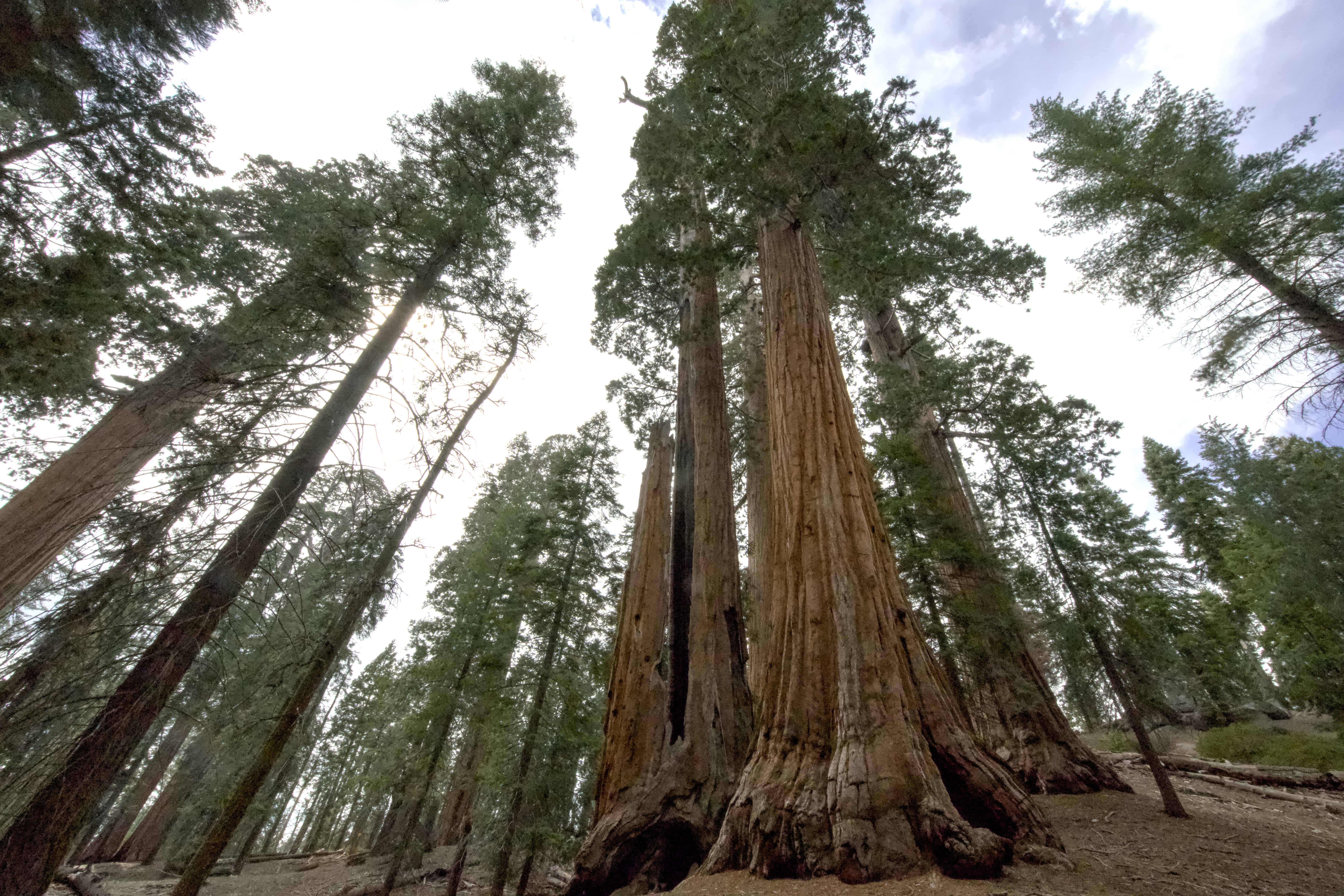
A king canyon family weekend might be easier to plan than you think, especially when you find this hidden gem. Kings Canyon stands out as a California secret and is nowhere near as crowded as nearby Sequoia. Grant Grove features giant sequoias over 1,500 years old. Scenic drives make it perfect for families with young children who can’t hike long distances.
If you’re looking for a California family trip that feels magical without the chaos of crowds, lines, and overpriced snacks, Sequoia and Kings Canyon National Parks should be near the top of your list. This is the kind of place where kids look up instead of down, where parents breathe a little deeper, and where everyone remembers what it feels like to be genuinely amazed.
You can stand beneath some of the biggest trees on Earth, walk through a fallen giant, explore historic sequoia stumps, chase waterfalls, and drive deep into one of California’s most dramatic canyons. Even better, you don’t need a full week to have an unforgettable trip. With a little planning, you can turn one weekend into a family adventure your kids will talk about for years.
This itinerary is built around the best kid-friendly stops in Kings Canyon, with an optional Sequoia National Park add-on if you have extra time. It’s especially great for spring, summer, or early fall, when the mountain air is crisp, waterfalls are flowing, and the trails feel peaceful and alive.
Before You Go: A Few Important Planning Tips
Sequoia and Kings Canyon are sister parks, but they’re bigger and more spread out than many families expect. The drive between highlights can take time, especially if you’re stopping for photos, snacks, bathroom breaks, or Junior Ranger activities along the way.
The Kings Canyon Scenic Byway follows Highway 180 for about 50 miles from the Sierra foothills toward Roads End, passing through Grant Grove and descending into the Cedar Grove area of Kings Canyon. It’s a spectacular drive, but Cedar Grove is typically open from May through early to mid-November, and exact dates can change depending on weather and road conditions. Always check the National Park Service website before you go, especially in spring or fall.
You’ll also want to check current trail and road conditions before leaving home. For summer 2026, the National Park Service notes that some trails and trailhead access roads remain closed due to previous wildfire activity and damage from 2023 winter storms, so don’t assume every route is open just because it appears on a map.
Planning Your Kings Canyon Family Weekend
Timing matters when you plan your King Canyon family weekend. Late spring through early fall brings the best weather and access since snow can limit road availability during winter months. Plan 2-4 days to explore both parks at a relaxed pace with kids.
Your entrance pass costs $35 for a vehicle (valid 7 days) or $20 per individual on foot or bicycle. The annual pass is $70 if you’re planning multiple visits. Purchase your pass ahead of time at recreation.gov and skip entrance lines, which can stretch 1-2 hours during peak season. Park entrance stations accept only cashless payments.
Kings Canyon has two main entrances. The Big Stump Entrance along Highway 180 from Fresno takes about 1 hour 15 minutes from the city. The Ash Mountain Entrance via Highway 198 from Visalia sits 45 minutes away. Highway 180 is better for RVs and larger vehicles since roads are straighter and wider.
Arrive before 8 AM and dodge crowds while securing parking. Memorial Day Weekend, summer months from June through August, and holiday weeks see the heaviest traffic. No gas stations operate within park boundaries, so fill up before you enter.
Kings Canyon Where to Stay: Lodging Options for Families
Your kings canyon where to stay options break down into three categories: lodges, cabins, and campgrounds.
John Muir Lodge sits in Grant Grove Village and offers 36 hotel rooms within walking distance of the General Grant Tree.
Cedar Grove Lodge provides 21 guest rooms with two queen beds, private baths, and air conditioning, though it operates seasonally from May through mid-October.
Grant Grove Cabins feature both timber and tent cabin styles, with six different types to choose from.
Campgrounds give you another choice for your king canyon family weekend. Grant Grove sits at 6,500 feet elevation with moderate summer temperatures and access to giant sequoia groves. Cedar Grove campgrounds sit lower at 4,000 feet and connect via bicycle trail to Cedar Grove Village services. Reservations open several months ahead on Recreation.gov. You’ll want to book early for peak season.
Montecito Sequoia Lodge is a kings canyon family camp located at 7,400 feet on National Forest Service land. This all-inclusive option bundles lodging and California-fresh meals with seasonal activities into one rate. The property has a private lake, outdoor hot tub, and seasonal swimming pool. Most accommodations have private baths, though some rustic cabins use a shared bathhouse.
Complete Weekend Itinerary: Things to Do with Kids
Your King Canyon family weekend breaks down into two days.
Friday Evening: Arrive Near Grant Grove
If you can arrive Friday evening, do it. Staying near Grant Grove gives you a much easier start on Saturday morning and helps you avoid turning the first day into one long drive. This is especially helpful with kids, because you can wake up already inside or near the park instead of starting the day with hours in the car.
Use Friday night to settle in, check the weather, confirm road conditions, and look over the park map. If you’re camping, this is also a good time to check the campground bulletin board for ranger-led evening programs. The National Park Service offers free ranger walks, talks, activities, and campground amphitheater programs when staffing and schedules allow.
Pack day bags before bed so Saturday morning feels easy. You’ll want water, snacks, layers, sunscreen, hats, comfortable shoes, and a small trash bag so your family can pack out whatever you bring in. Waterproof hiking shoes are a smart choice in spring because trails can be damp, muddy, snowy, or icy in shaded areas.
Saturday Morning: Start at Grant Grove Village
Begin Saturday morning at Grant Grove Village and stop at the Kings Canyon Visitor Center. This is the best place to get oriented, ask about current trail conditions, check the day’s ranger program schedule, and pick up Junior Ranger booklets for the kids.
The Junior Ranger program is one of the easiest ways to make the park more interactive for children. Kids can earn an official Sequoia and Kings Canyon National Parks Junior Ranger badge by completing activities in the booklet, and the National Park Service says families can ask for a free booklet at any visitor center.
The activities are a great way to help kids understand what they’re seeing instead of just walking from tree to tree. They’ll learn about giant sequoias, black bears, food storage, night skies, and how to protect the park. It also gives them something fun to work on during quieter moments in the car or at lunch.
Stop 1: General Grant Tree Trail
After the visitor center, head to the General Grant Tree Trail. This short paved loop is one of the best family-friendly walks in Kings Canyon National Park, and it delivers a huge payoff for very little effort.
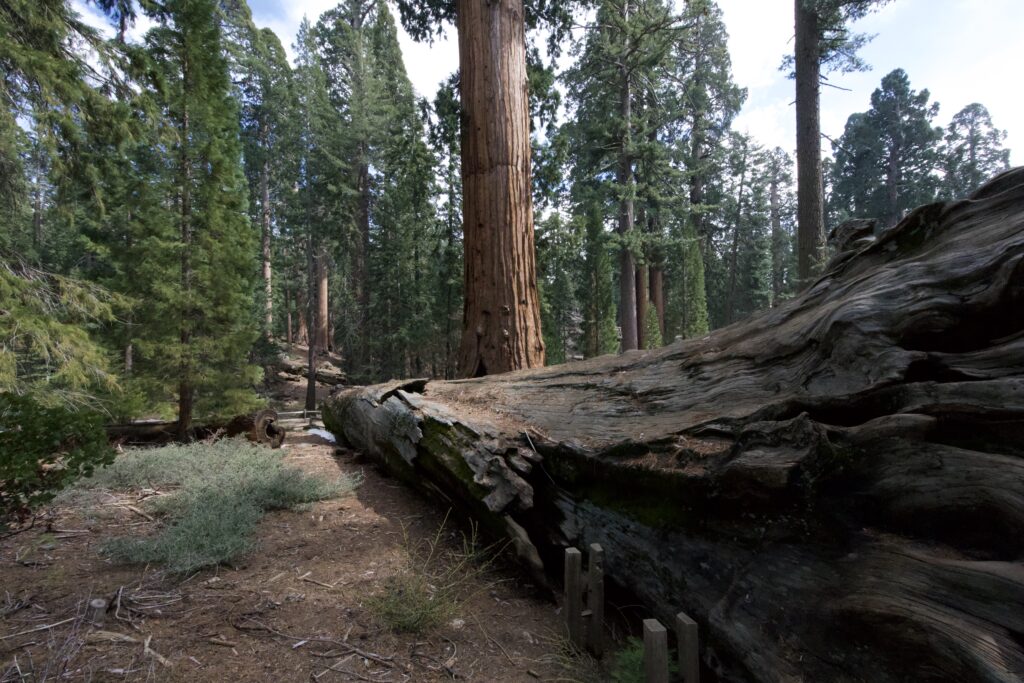
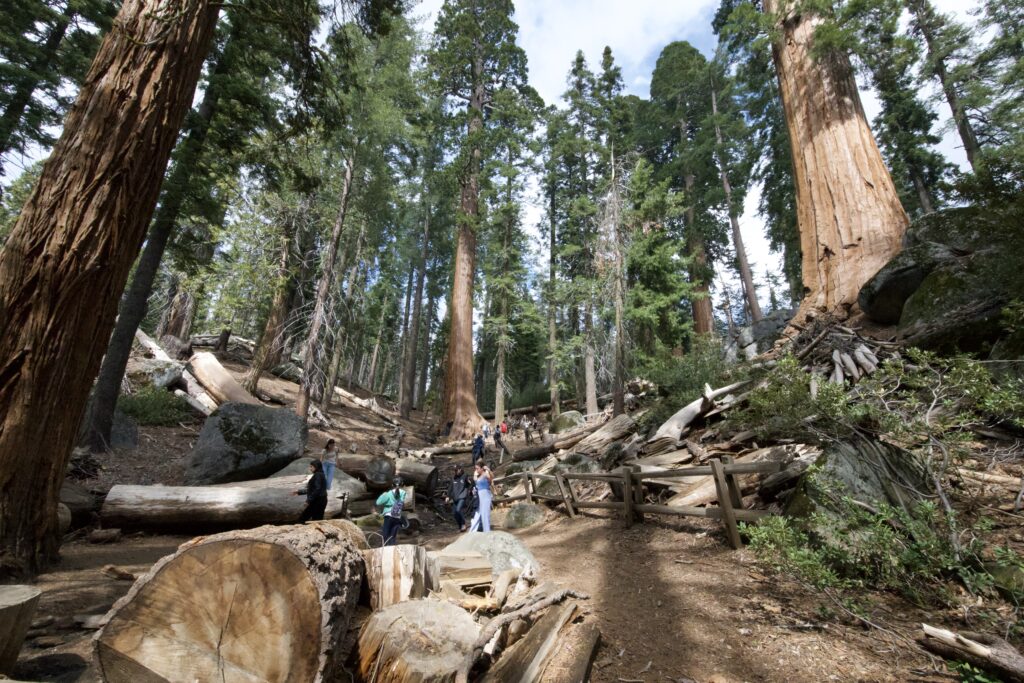
The trail is about one-third of a mile and leads to the General Grant Tree, one of the largest living trees in the world. President Calvin Coolidge proclaimed it the Nation’s Christmas Tree in 1926, and it’s still celebrated as one of the most iconic trees in the park.
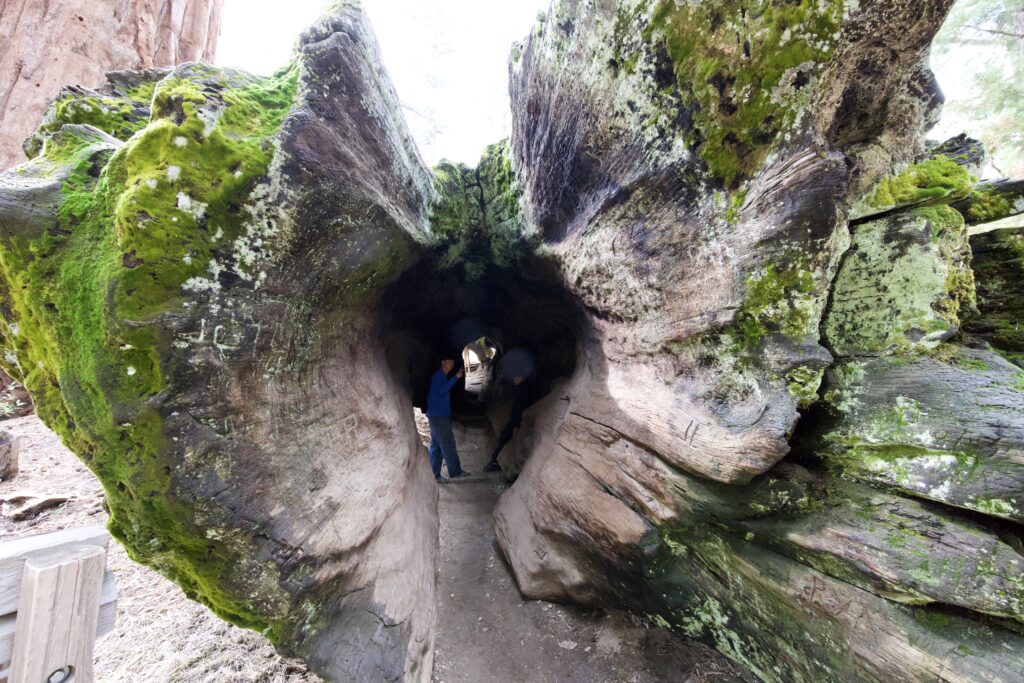
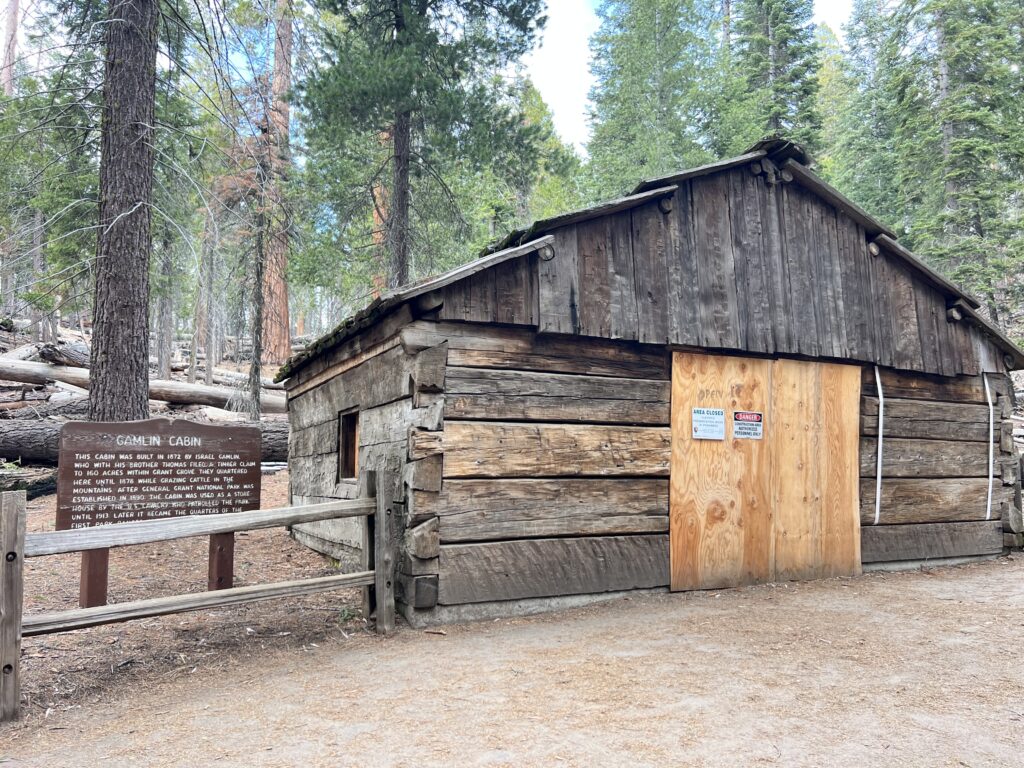
Kids love this trail because there’s more to see than just one big tree. Along the loop, you can also visit the historic Gamlin Cabin, the Centennial Stump, and the Fallen Monarch. The Fallen Monarch is especially fun because it’s a hollow sequoia that visitors can walk through for several feet, which helps kids physically understand just how enormous these trees are.
This is a good place to slow down and let everyone take it in. The trees are so big that photos barely do them justice, and kids often need a few minutes to process what they’re seeing. Give them time to look up, touch the bark where allowed, and imagine what it would have been like to discover these giants for the first time.
Saturday Lunch: Picnic Near Grant Grove
After the General Grant Tree Trail, keep lunch simple. Bring a picnic and eat near Grant Grove, or use available park services if they’re open during your visit. Food options and hours can vary by season, so packing your own lunch gives you the most flexibility.
This is also a good time to let the kids work on their Junior Ranger booklets. They can fill in activities about sequoia trees, wildlife, and park safety while the morning is still fresh in their minds. If you’re traveling with younger kids, this quiet lunch break can make the rest of the afternoon go much more smoothly.
Remind everyone about food storage before and after lunch. Bears live in these parks, and food should never be left unattended or stored improperly. Teaching kids this early helps them understand that visiting a national park comes with responsibility, not just fun.
Saturday Afternoon: Big Stump Trail and the Mark Twain Stump
After lunch, head to Big Stump Trail. This is one of the most meaningful stops in Kings Canyon because it shows a different side of the giant sequoia story. Instead of only seeing living trees, your family gets to see what happened before these forests were fully protected.
The Big Stump Trail begins at the Big Stump Picnic Area, which is close to the park entrance along Highway 180. From there, the trail leads toward the Mark Twain Stump on a roughly 2-mile hike, with other large historic stumps in the area.
The Mark Twain Tree was cut down in 1891 so sections could be displayed to crowds in New York and London, because many people at the time didn’t believe trees could grow so large. The remaining stump is about 16 feet in diameter, and seeing it in person is both fascinating and a little heartbreaking.
This is where the trip becomes more than just pretty scenery. Kids can stand near the stump, look at the scale of what was lost, and begin to understand why conservation matters. It’s a powerful reminder that national parks exist because people eventually decided some places were too special to destroy.
There is some incline on this trail, so bring water and take your time. It’s still very doable for many families, but it feels more like a real hike than the short paved loop at Grant Grove. Go slowly, let the kids explore, and use the interpretive signs as conversation starters.
Saturday Evening: Ranger Program or Quiet Forest Night
If you’re staying in or near the park, check for ranger-led evening programs at campground amphitheaters. These programs can be a highlight for kids because they turn the park into a classroom without feeling like school. Depending on the schedule, topics may include wildlife, sequoias, night skies, fire, or park history.
If there isn’t a ranger program available, keep the evening simple. Take a short walk near your lodging or campground, look for stars, and let everyone wind down. One of the best parts of a trip like this is that it doesn’t need to be packed with entertainment every minute.
This is also a good time to talk about what everyone saw during the day. Ask your kids which tree surprised them the most, what they thought about the Mark Twain Stump, or what they learned from their Junior Ranger booklet. These little conversations help turn the trip into a memory, not just a checklist.
Sunday Morning: Drive the Kings Canyon Scenic Byway
Sunday is all about the canyon. After breakfast, drive down the Kings Canyon Scenic Byway toward Cedar Grove, assuming the road is open during your visit. This drive is one of the most beautiful parts of the weekend, so build in time for viewpoints and don’t rush it.
The road descends from the Grant Grove area toward Cedar Grove, ending near Roads End. Along the way, the scenery changes from forested high country to dramatic canyon walls, river views, and granite cliffs. It feels like a completely different park from the sequoia groves you explored the day before.
Before you commit to the drive, confirm that Cedar Grove is open and that your planned stops are accessible. Spring snowmelt, storms, road work, wildfire damage, and seasonal closures can all affect what’s available. This is one of those days where checking conditions can save you a lot of frustration.
Stop 1: Grizzly Falls
Make your first major stop at Grizzly Falls. This is one of the easiest waterfall stops in the area and a perfect choice for families because it requires very little walking. You get a big scenic payoff without needing to convince tired kids to hike far.
Depending on the season, the waterfall can be especially impressive during spring and early summer when snowmelt is flowing. Bring your camera, but also take a few minutes to just stand there and enjoy the sound of the water. After a morning drive, this is a great place for everyone to stretch and reset.
The area around waterfalls can be slippery, so keep kids close and stay on safe surfaces. Waterfall stops are exciting, but they’re also places where it’s worth being extra careful. The goal is to enjoy the view without treating rocks, edges, or fast water like a playground.
Stop 2: Roaring River Falls
Continue deeper into Cedar Grove and stop at Roaring River Falls. The National Park Service describes this as a very short, shady walk to a powerful waterfall rushing through a granite chute, with a paved and relatively accessible trail from the parking area.
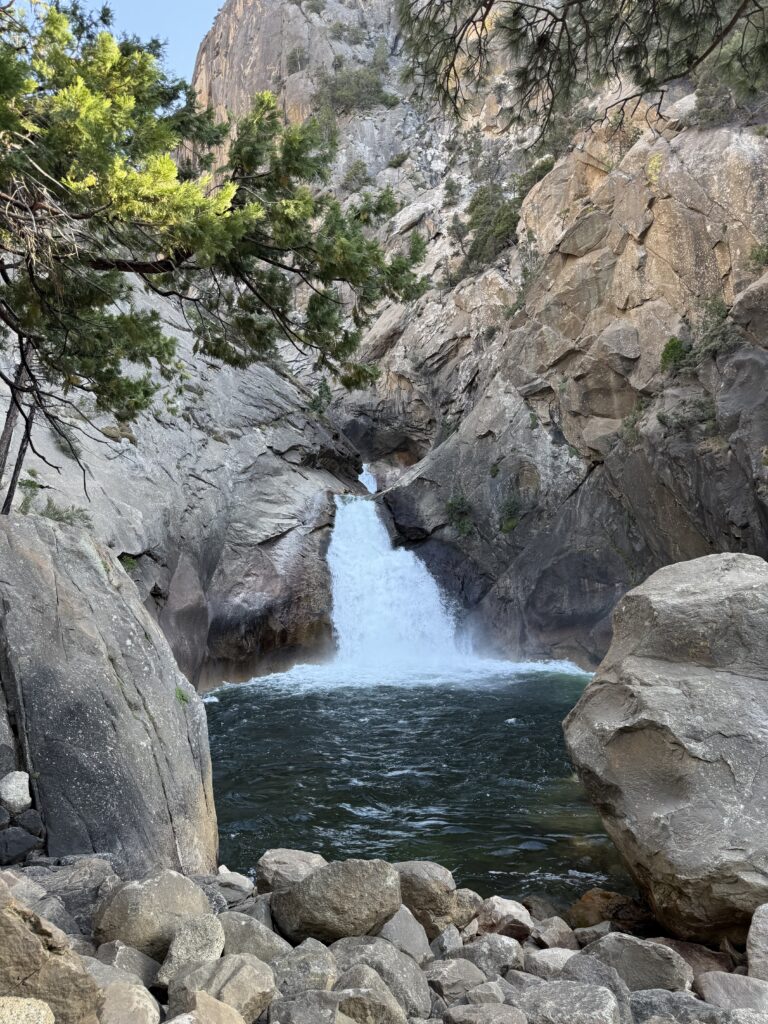
This is another excellent stop with kids because it feels adventurous without being hard. The walk is short, the setting is beautiful, and the waterfall itself has a lot of energy. It’s the kind of place where kids can feel like they discovered something dramatic, even though it’s very easy to reach.
Give yourself enough time here so the stop doesn’t feel rushed. Let everyone listen to the roar of the water, take photos, and enjoy the cool shade. On a warm day, this can be one of the most refreshing stops in the canyon.
Stop 3: Zumwalt Meadow
Next, head to Zumwalt Meadow, one of the most scenic places in Cedar Grove. The trail offers views of granite walls, meadow scenery, talus slopes, and the Kings River. The National Park Service notes that the trail is no longer a full loop because flooding in 2019 washed away sections, but visitors can still cross the Kings River by bridge and continue through wooded and rocky areas for views of the meadow.
This is a great place to slow down and let the kids experience the canyon at ground level. After seeing giant trees and waterfalls, Zumwalt Meadow adds a different kind of beauty. It feels open, peaceful, and cinematic, with cliffs rising above the valley and the river moving through the landscape.
The trail can be rough in spring when snowmelt floods parts of the area, so wear good shoes and check conditions before heading out. Depending on your family’s energy level, you can do a shorter out-and-back or continue farther toward the Kanawyer Loop area and Roads End. Keep the plan flexible and let the day’s conditions guide you.
Final Stop: Roads End and Muir Rock
Finish your Cedar Grove day at Roads End. This is a beautiful final stop because it gives you river views, high granite walls, and access to Muir Rock. The National Park Service lists Roads End as an area with excellent views, access to river trails, and Muir Rock.
This is a great place to pause before the drive back. Let the kids sit for a few minutes, have a snack, and take in the river and canyon walls. After a full weekend of giant trees, historic stumps, waterfalls, and meadows, Roads End feels like a natural conclusion.
Be careful near the river, especially with children. Mountain water can be cold, fast, and dangerous even when it looks inviting. Enjoy the views, take your photos, and keep safety first.
Optional Add-On: General Sherman Tree and Congress Trail
If you have extra time, add the General Sherman Tree and Congress Trail in Sequoia National Park. This works best if you arrive early Friday, stay an extra night, or turn the weekend into a three-day trip. It’s technically possible to combine highlights from both parks in one fast trip, but families will enjoy it much more if they don’t cram too much into one day.
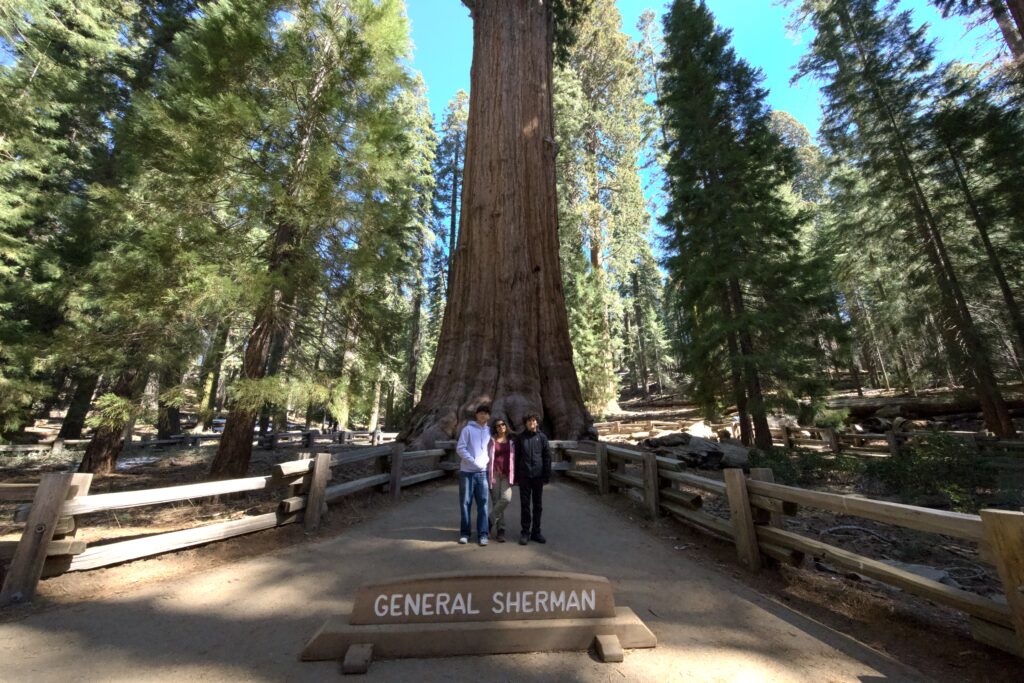
The General Sherman Tree is the largest known living single-stem tree by volume, and it’s one of the most famous stops in Sequoia National Park. From there, the Congress Trail begins near the Sherman Tree and offers a paved 2-mile loop through the Giant Forest, with hundreds of monarch sequoias and notable tree groups like The House and The Senate.
If your kids loved General Grant, they’ll probably be amazed by General Sherman too. Just know that this add-on adds significant driving, so it’s better as a bonus than a required part of a Kings Canyon weekend. Families with younger kids may be happier saving Sequoia for a separate trip.
What to Pack for a Family Weekend
Bring more water than you think you’ll need, especially for Big Stump Trail and warm afternoons in Cedar Grove. You’ll also want easy snacks, layers, sunscreen, hats, a basic first-aid kit, and shoes that can handle wet or uneven trails.
In spring, waterproof hiking shoes are especially helpful. You may not need snowshoes on the main family-friendly trails, but wet feet can make kids miserable fast. If snow or ice is possible, bring tire chains or rent them before you get too close to the park, because they can sell out during busy weather windows.
Download maps ahead of time, since service can be unreliable. Keep a paper map in the car too, because mountain drives, closures, and detours are easier to handle when you’re not depending entirely on your phone. It’s also worth bringing a battery pack if you’ll be using your phone for photos and navigation.
Leave No Trace with Kids
This is a great trip for teaching kids how to be respectful outdoor visitors. Stay on marked trails, don’t climb on fragile areas unless signs clearly allow it, never carve or damage trees, and pack out all trash. Giant sequoias may look indestructible, but their roots and surrounding ecosystems need protection.
Talk to your kids about why some places are protected and why the old logging history at Big Stump matters. Seeing massive stumps from trees cut in the 1800s makes the lesson real. It helps children understand that beautiful places don’t stay beautiful by accident.
A weekend in Kings Canyon isn’t just about checking off famous stops. It’s about helping kids feel connected to nature, history, and something much bigger than themselves. That’s the real magic of this trip.
Conclusion
Kings Canyon delivers everything you need for an amazing family weekend without the overwhelming crowds. Follow this itinerary and book your accommodations early. You’ll find why this park remains California’s best-kept secret.
You have everything now: where to stay and what to see. Grab those entrance passes and pack your hiking shoes. Get ready to create unforgettable memories with your family among ancient sequoias and stunning canyon views.