
This post contains affiliate links. An affiliate link means I may earn advertising/referral fees if you make a purchase through my link, without any extra cost to you. It helps to keep this little blog afloat. Thanks for your support!
You can save money while traveling without sacrificing quality experiences. The right strategies can keep your travel budget as low as $50 a day. Many people overspend because they don’t know where to cut costs without cutting corners. Holiday airfares alone average 41% more expensive than non-holiday flights, but there are ways around this. I’ve compiled proven traveling on a budget tips covering everything from smart booking strategies and how to save money on travel to accommodation hacks and how to save money on food while traveling. These travel hacks to save money will help you stretch your budget further.
1. Find your dream hotel
Discover the ideal accommodation and book with ease through Booking.com. Whether you prefer luxurious stays or budget-friendly options, they have you covered
2. Plan your entertainment
Embark on exciting tours and activities in Peru with Viator. From iconic landmarks to hidden gems, their diverse range of experiences ensures a memorable trip.
3. Get your bus
Take support to the next level.
- General admission and member discounts for two adults
- Five free tickets per special exhibition
- Six single-use guest passes per year
How to Save Money Before Your Trip
Pre-trip preparation determines whether you’ll enjoy a stress-free vacation or face financial anxiety. Saving money on travel starts months before you board any flight, and that foundation matters.
Set a realistic travel budget
Before you get too far into planning, it helps to get honest about what you’ll actually spend—because the little stuff adds up fast. I like to break a trip into a few buckets: transportation, lodging, food, activities, and “fun money” (souvenirs, treats, random purchases you didn’t plan for). And don’t forget the sneaky extras: baggage fees, parking, tips, resort fees/service charges, and all the small convenience costs that pop up along the way.

In most trips, flights and accommodations are the big-ticket items, so I always price those out first. Once you know what those two will cost, it’s much easier to decide what you can comfortably spend on everything else.
One simple rule that saves a lot of stress: add a 10–15% cushion to your total. That buffer covers the “life happens” moments—like a delayed flight that forces an extra hotel night, last-minute transportation, or unexpected medical costs. Some people also like using a broad guideline like keeping vacation spending around 5% of annual income, but the best budget is the one that fits your real life.
Once you run the numbers, you’re not guessing anymore—you’ve got a clear target to plan around (and save toward) with way less overwhelm.
Track your spending habits
If you really want to free up money for travel, the easiest place to start is just… getting curious about your everyday spending. For the next month or two, take 20 minutes and look back at your bank statements (or let a budgeting app do it for you). It’s eye-opening how quickly the “small stuff” adds up—coffee runs, random Target trips, subscriptions you forgot you had, rideshares, takeout because it’s been a long day. None of it feels huge in the moment, but together? That’s usually the travel fund right there.
If you like using an app, Trail Wallet is great because you can set a daily budget and track spending as you go, and it makes it obvious which category is quietly wrecking the plan. If you’re more of a spreadsheet person, that works too. The point isn’t to shame yourself—it’s to spot a few easy swaps so you can redirect that money into a “trip fund” and watch it grow.
Cut unnecessary expenses
Cutting back on “extras” doesn’t mean you have to live like a hermit. It’s really just about starting small and trimming the stuff you won’t miss. Maybe you cancel one streaming service you barely use, pause a membership for a couple months, or turn takeout into a once-a-week treat instead of something that happens multiple times a week. Those little changes can save way more than you expect.
The biggest hack is to move that money immediately. If you skip a $25 takeout order or a random impulse buy, transfer that exact amount into your vacation fund right away. Cook a few more meals at home, keep entertainment spending a bit tighter, and you’ll be surprised how quickly those small sacrifices add up to hundreds of dollars—and a trip that actually happens.
Build a dedicated travel fund
One of the easiest ways to actually save for travel is to separate the money from your everyday life. Opening a dedicated “vacation” checking or savings account flips you into a savings-first mindset—because you can see the balance growing, and you’re way less likely to accidentally spend it on groceries or random Target runs. Just pick an account with low (or no) fees, and set up an automatic transfer from your main account each month so it happens in the background.
Then do a quick reality check with your numbers. If you typically spend around $6,000 a year on travel, that’s about $500 a month. Automation is the secret sauce here—because if you wait until the end of the month to “see what’s left,” there’s usually nothing left. And if you can put it in a savings account that earns a little interest, even better—your trip fund grows while you’re planning.
Finally, any surprise money—tax refunds, bonuses, cash gifts—can go straight into the travel account for a big boost. And if you’re still falling short, you don’t necessarily need a huge lifestyle change… sometimes a small, temporary income bump does the trick. A simple side gig (freelance work, tutoring, weekend projects, selling something you already make) can cover a flight or a few hotel nights without taking over your life.

Sell items you don’t need
One of the fastest ways to build your travel fund is by selling things you already own but don’t use anymore. Most of us have closets, garages, or storage bins full of items that could easily turn into plane tickets or hotel nights. Facebook Marketplace is great for bigger items like furniture, bikes, or gear—especially since local buyers can pick them up and you don’t have to deal with shipping. Just take clear photos, write an honest description, and mention pickup only to keep things simple.
You can also make it social and fun—host a little “declutter sale” and invite friends (and have them invite their friends too). Price things to sell, not to maximize profit. The goal is to turn unused stuff into experiences. Books can often be sold at second-hand bookstores, and a simple garage sale can help clear out smaller items while bringing in a surprising amount of extra cash.
For clothes, shoes, and accessories, apps like Poshmark, Mercari, and Depop make it easy to list and sell directly from your phone. And whatever doesn’t sell? Donate it and enjoy the extra space—you’ll be lighter both at home and when you head off on your next adventure.

Smart Booking Strategies to Save Money(without turning travel planning into a second job)
Flights and hotels can eat up your budget fast, but a little strategy here can save you hundreds—sometimes more—without changing the trip itself. The biggest difference usually comes down to when you book and how you track prices. Booking flights at the right time saves you 25% off the ticket price on average.
Book flights in advance
For domestic U.S. flights, you generally get the best prices when you book about 1–3 months out. If you want a simple target to remember, aim for around 6 weeks before departure—that’s often the “sweet spot” where prices are still reasonable but seats haven’t gotten scarce.
International flights can be a little weird (in a good way). Sometimes the best deals show up closer in than you’d expect, but you still don’t want to wait until the last minute. For trips to Mexico or the Caribbean, booking roughly 1–3 months out tends to work well. For Europe, you usually need more runway—think a few months ahead to catch better fares, especially for summer travel.
Two timing mistakes that often cost people money: booking way too early (like 10+ months out) or booking within the last 2–3 weeks, when prices often jump.
And one of my favorite “lazy genius” moves: after you book, keep tracking the price. Many U.S. airlines no longer charge change fees on standard economy tickets, so if the fare drops, you can often rebook and keep the credit. It’s one of the easiest ways to save money after you’ve already hit “purchase.”
Travel during off-season or shoulder season (this is one of the biggest money-saving secrets)
If there’s one strategy that makes the biggest difference in how much you spend, it’s when you travel. Visiting a destination during the off-season or shoulder season—the time between peak and low season—can cut your costs dramatically while actually making the experience better.
Shoulder season is that sweet spot where the weather is still good, but the crowds are smaller and prices drop. Flights during peak holiday weeks, for example, can cost 50% or more compared to traveling just a few weeks earlier or later. The same goes for hotels, attractions, and even tours.
Some of the best examples:
- Europe: April, May, late September, and October are incredible—great weather, fewer crowds, and much lower prices than summer.
- Italy: Spring and fall offer the same beauty without the peak-season chaos.
- New England: Late spring and fall are perfect for scenery and lower hotel rates.
- Greek islands: May and September feel like summer, but with much better prices.
Even shifting your trip by a few weeks—or a month—can cut flight prices in half.
Use flight comparison tools
Instead of checking airline websites one by one, use tools that compare everything for you.
My go-to favorites:
- Google Flights: Shows a calendar view so you can instantly see the cheapest days to fly. It also tells you if prices are higher or lower than usual.
- Skyscanner: Great for finding cheap routes and flexible destination ideas.
- Momondo: Especially helpful because it sometimes includes baggage fees in comparisons.
One of the best features on all of these platforms is price alerts. You can track a route and get notified when prices drop—so you don’t have to constantly check yourself.
This is how you find those deals that make a trip feel suddenly possible.
Think over alternative airports
Consider alternative airports (this one can save a lot)
One underrated way to save on flights is to think beyond the biggest airport. Sometimes flying into a smaller airport near your destination can be way cheaper—especially if budget airlines serve it—or the taxes/fees are lower. Even if it adds a short drive, the savings can be worth it.
When you’re searching, try plugging in multiple airports in the same region and compare. A few examples:
- Chicago: O’Hare vs. Midway
- Washington, D.C.: Dulles vs. Reagan vs. Baltimore
- London: Heathrow vs. Gatwick vs. Stansted vs. Luton
It’s also worth checking airports just across a border or a bit outside the main tourist hub—families can sometimes save hundreds (or more) by flying into the “less obvious” option and driving the last stretch.
Quick tip: If you do this, make sure you also compare the real cost—car rental, gas, tolls, parking, and time—so you know the savings are still worth it.

Look for package deals (easy savings in one click)
If you’re booking flights + hotels anyway, it’s worth checking bundles. Travel sites often discount the total when you book air + hotel (or hotel + rental car) together, and it can knock a meaningful amount off the trip without any extra work.
Even if you don’t book the bundle, using package pricing as a comparison is helpful—you’ll quickly see whether booking separately or together gives you the better deal.
Look for package deals
Bundling flights and hotels together creates immediate savings. Package deals save an average of $294. Travel booking sites offer better rates when you combine air and hotel or hotel and rental car in a single reservation.
How to Save Money on Accommodation(without hating where you stay)
Lodging is usually the biggest budget killer after flights, so a few smart choices here can make your whole trip feel way more affordable.
Start with the “right” type of stay for your trip. Choose budget-friendly lodging options
If you’re open to it, hostels can be an amazing deal—especially in Europe. And no, it’s not all bunk beds and backpackers anymore. Many hostels now offer private rooms (sometimes even with a private bathroom), but still cost less than a basic hotel. The best part? A lot of them have shared kitchens, which means you can cook a few simple meals and save even more.
If hostels aren’t your thing, budget hotels and motels can be a solid middle ground—more privacy, predictable setup, and usually still much cheaper than the “nice” hotels in tourist areas.

Next: don’t overlook booking direct.
It sounds simple, but going straight through a hotel’s website can unlock member rates and perks you won’t always get through third-party sites. If you stay with brands like IHG, Choice, or Wyndham even a couple times a year, their free loyalty programs can sometimes shave a noticeable amount off the nightly price—and you often get better flexibility if plans change.

And if you want the biggest accommodation savings long-term, it’s hard to beat hotel points and free-night certificates. Credit cards tied to programs like Marriott, IHG, and Hyatt can include annual free nights, and those can turn into “free hotel” stays that would’ve cost hundreds of dollars. Hyatt points, in particular, can go surprisingly far—sometimes covering off-peak nights for a fraction of what you’d expect.
Bottom line: you don’t have to stay somewhere fancy to have a great trip—you just need a place that’s clean, comfortable, and leaves enough money in your budget for the experiences you’ll actually remember.
Consider alternative places to stay (these can be game-changers)
Hotels aren’t your only option—and honestly, some of the best travel experiences happen when you stay somewhere a little different. Vacation rentals can be a great choice, especially for families, because you get more space, a kitchen, and often a better value per night than booking multiple hotel rooms.
If you love road trips, RV travel can be incredibly cost-effective since it combines transportation and lodging in one. You also get the flexibility to wake up somewhere new without constantly packing and unpacking.
Another option many people don’t realize exists is house-sitting. Platforms like TrustedHousesitters connect travelers with homeowners who need someone to watch their home (and often their pets). In exchange, you stay for free. It’s a win-win, especially if you love animals.
Share accommodations to split costs (especially great for families or friends)
Traveling with others is one of the easiest ways to make accommodations more affordable. Splitting the cost of a rental home or larger suite often ends up being much cheaper per person than booking separate hotel rooms.
The key is just being thoughtful and fair. If someone gets the master bedroom, it makes sense they might pay a bit more. If someone is sleeping on a pullout couch or sharing a room, their portion should reflect that. Having that quick conversation upfront keeps everything comfortable and avoids awkwardness later.
And honestly, sharing a place often becomes part of the fun—late-night conversations, shared breakfasts, and those little everyday moments that make trips memorable.
Ways to save money on food while traveling (without eating sad meals)
Food is one of those sneaky travel expenses—one coffee here, one snack there, a “quick bite” that turns into $60 for a family… and suddenly your budget is toast. The good news is you can eat really well on a trip without overspending—you just need a little strategy.
Hit a local grocery store early in the trip.
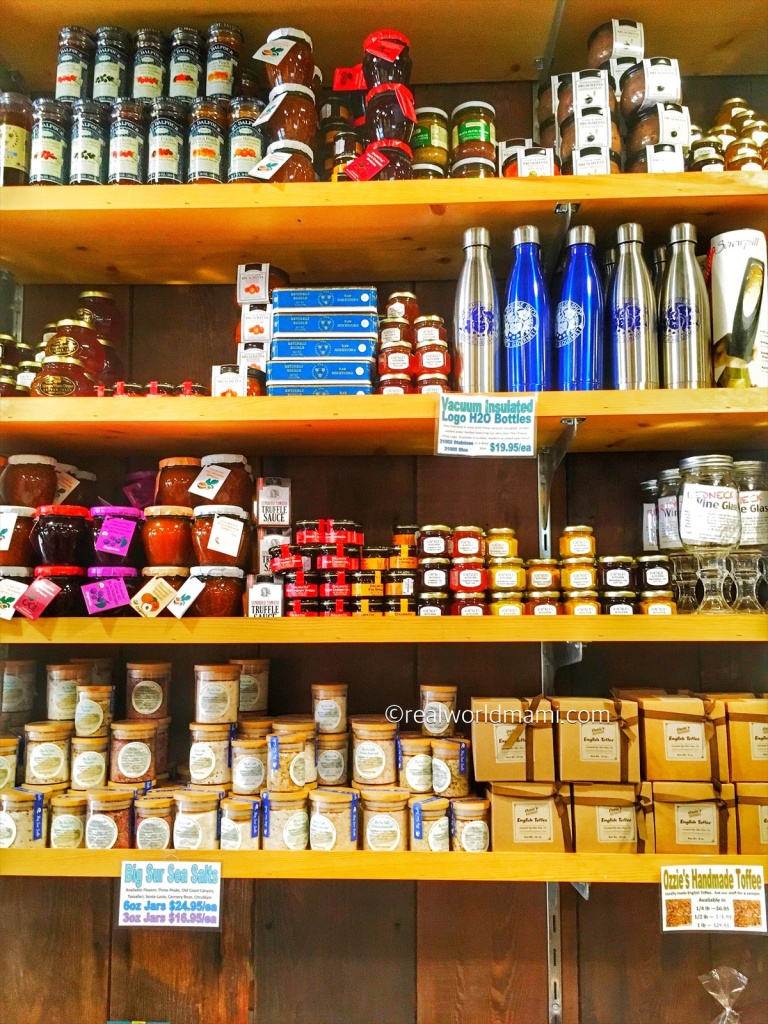
It’s one of my favorite travel hacks because it solves so many problems at once: affordable breakfasts, snacks for the day, and easy picnic meals. Plus, wandering a supermarket in another country is honestly kind of fun—you get a feel for how locals actually live and what they eat. Bonus: grocery stores are also amazing for souvenirs (local chocolate, snacks, spices) that cost way less than tourist shops.
Bring a few snacks from home. Protein bars, nuts, dried fruit, crackers—anything that survives a backpack. This saves you from overpriced airport food and “emergency” gas-station snacks. And an underrated move: pack an empty water bottle so you’re not buying drinks all day.
Cook a few simple meals when you can. If you’re staying somewhere with a kitchen, even making breakfast at home or doing one easy dinner can save a lot. Keep it simple—pasta + sauce, rotisserie chicken + salad, tacos, grain bowls. You’re not trying to be a chef on vacation… you’re trying to keep the budget (and everyone’s mood) happy.
Eat where locals eat. The restaurants right next to major attractions are usually the most expensive and the least memorable. Walk a few blocks away, look for places filled with locals, and you’ll usually get better food for a better price.
Use hotel breakfast strategically. If it’s included, it’s a gift. Grab an extra piece of fruit for later, or a bagel for a mid-morning snack. Those small “free” extras can easily save you $10–$20 a day—especially with kids or teens who are always hungry.
Transportation and Daily Travel Costs (this is where you can save without even trying)
Once you arrive at your destination, how you get around can make a huge difference in your budget. The good news is that in many places, the cheapest option is also the one that lets you experience more.
Public transportation is your best friend in most cities
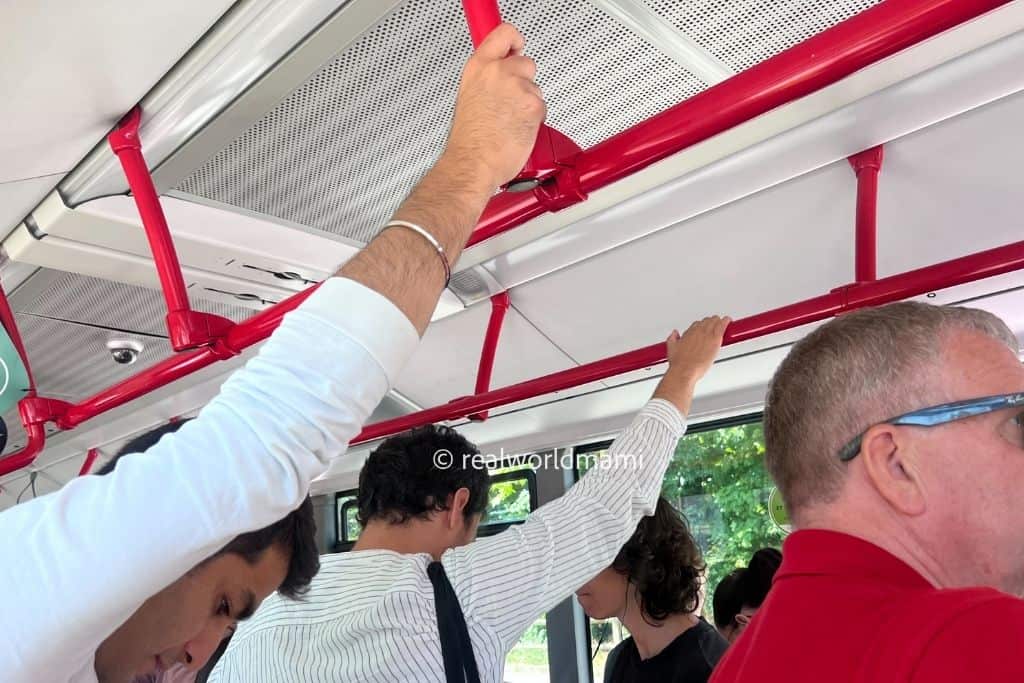
Subways, buses, and trams are usually reliable, affordable, and take you exactly where you need to go. Instead of spending money on rental cars, gas, parking, and stress, you can often buy a multi-day metro pass for a fraction of the cost—and move around like a local.
Skip the rental car unless you truly need it
In big cities especially, having a car can actually slow you down. Between traffic, parking fees, and navigation headaches, it’s often easier (and cheaper) to use public transit, rideshares occasionally, or simply walk.
Walking and biking are underrated travel hacks
Some of the best moments of a trip happen when you’re not rushing between destinations. Walking lets you discover cafés, parks, and little places you would’ve missed otherwise. And many cities now have bike rentals or bike-share programs that make it easy and affordable to explore more ground.
Plus, beyond saving money, these slower ways of getting around help you actually feel the place you’re visiting—which is kind of the whole point.
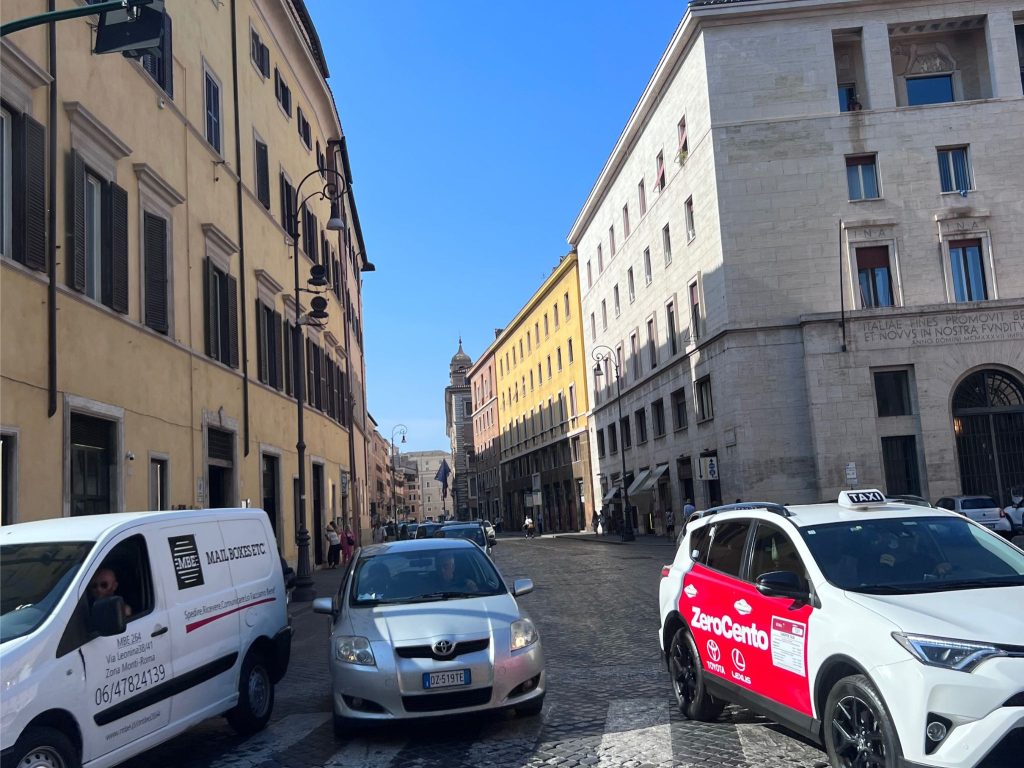
Rideshare vs. taxis (when each one is cheaper)
I used to default to rideshare every time… until I realized taxis can actually be the better deal in certain situations. A simple rule of thumb:
- Rideshare is usually cheaper for short trips and off-peak times (when there’s no surge).
- Taxis often win during surge pricing, airport pickups, late-night demand, and sometimes longer rides—especially in cities where taxi rates are regulated and predictable.
Quick tip: before you confirm, check both. If the rideshare price looks weirdly high, it’s probably surge—grab a taxi and you’ll often save money (and time).
Use multi-day transit passes (easy savings, less hassle)
If you’re planning to use public transportation more than once a day, a multi-day pass can pay for itself fast. It also makes travel smoother because you’re not constantly thinking about tickets and fares.
Some transit systems even have fare capping, meaning once you spend enough in a day to equal the cost of a day pass, it automatically stops charging you more. So you get the best price without doing the math.
Book train tickets early (especially in Europe)
For trains, waiting usually costs you. If you can, buy tickets at least two weeks in advance—that’s often when the cheapest “saver” fares are still available. Closer to departure, prices tend to climb, and popular routes can sell out.
Wrap-up
Saving money while traveling doesn’t mean sacrificing comfort or missing out. It’s mostly about being intentional: book smarter, choose lodging that fits your trip, and use transportation options that don’t quietly drain your budget.
You don’t have to do every tip. Pick the ones that match your travel style, and you’ll still feel the difference—often in a big way. Even a few small changes can mean an extra day on the trip, a better hotel, or simply less stress.
And if you’re reading this because you really want to travel more, here’s your sign: start that dedicated travel fund today. Future-you will be so happy you did.
You may also like: